Sangla Valley and Chitkul: 4 Days Tour Itinerary
Sangla Valley & Chitkul are among the most serene places in Himachal Pradesh. These are offbeat mountain places visited the most in northern India. These two places are blessed with snow-covered peaks, rivers, quiet villages, and a rich culture. The travellers who look for some offbeat places, away from the daily hustle and bustle, prefer visiting these places.
Located along the valley of the Baspa River, these two places are must-visits. Chitkul is also known as “India’s last inhabited village before the Indo-Tibetan border.”
Sangla Valley & Chitkul: Why Visit These Places?
What makes both Sangla and Chitkul different from other hill stations is their location and unspoiled landscapes. The visitors come here to relax. These places are famous due to:
- Quiet village lanes with wooden homes
- Baspa River’s clear waters and riverside trails
- Snow-tipped peaks close enough to touch
- Apple orchards, meadows, and pine forests
- Old Himachali culture and warm hospitality
Indeed, these two places are not just photo stops. Rather, it gives you the chance to breathe deep and slow down for some time. So don’t wait; book our Himachal tour package and explore this unforgettable journey with us.
Best Time to Visit Sangla Valley & Chitkul
Sangla and Chitkul change their mood dramatically with the seasons:
Spring & Summer (April–June)
These months are ideal to enjoy the scenic beauty and outdoor activities. The snow melts by this time, and you can enjoy the meadows blooming while coming here with your loved ones.
Even the days are pleasant, while the nights are cooler, making it ideal for trekking and camping.
Autumn (September–October)
Golden hues, clear skies, crisp air, and fewer crowds—this is all you can experience while coming here in these months. Also, the harvest season brings golden fields and clear mountain views.
If you are a photographer, you must visit this place during the autumn season. Additionally, you can find good deals on Himachal travel packages.
Winter (November–February)
For snow lovers, coming to this place in the winter season is a blessing. However, heavy snowfall restricts access.
Roads to Chitkul often close after heavy snow. Only experienced winter travellers should consider this.
4 Days Sangla Valley & Chitkul Itinerary from Delhi
Day 1: Delhi → Shimla/Narkanda (Overnight Journey)
Distance: 350–380 km
Travel time: 9–10 hours
Route
Delhi → Chandigarh → Solan → Shimla/Narkanda
Plan
- Start early morning or take an overnight Volvo/private cab.
- Enjoy mountain views after Chandigarh.
- Short breaks at Solan or Shimla bypass.
- Reach Shimla or Narkanda by evening.
Things to Do (if time permits)
- Walk on Mall Road, Shimla
- Sunset view at Scandal Point
- Try Himachali food like siddu or thukpa
Stay Recommendation
- Budget hotel or homestay in Shimla or Narkanda
- Choose Narkanda if you want a quieter night
Overnight stay: Shimla / Narkanda
Day 2: Shimla / Narkanda → Sangla Valley
Distance: 220–240 km
Travel time: 7–8 hours
Route
Shimla → Narkanda → Rampur → Karcham → Sangla
Scenic Highlights
- Dense forests near Narkanda
- Sutlej River views at Rampur
- Dramatic cliffs after Karcham
Sightseeing En Route
- Hatu Peak (optional) – snow views in early season
- Karcham Dam viewpoint
- Apple orchards as you enter Sangla Valley
Evening in Sangla
- Relax by the Baspa River
- Short village walk
- Enjoy starry skies and silence
Stay Recommendation
- Riverside camps or wooden homestays
- Prefer Sangla village, not too remote
Overnight stay: Sangla Valley
Day 3: Sangla → Chitkul → Sangla
Distance: 40 km (round trip)
Travel time: 2–3 hours
Morning in Sangla
- Visit Sangla Meadows
- Explore Kamru Fort and village lanes
- Breakfast with mountain views
Drive to Chitkul
- One of the most scenic roads in Himachal
- Snow peaks, wooden bridges, prayer flags
Explore Chitkul (Last Village of India)
- Walk along the Baspa River
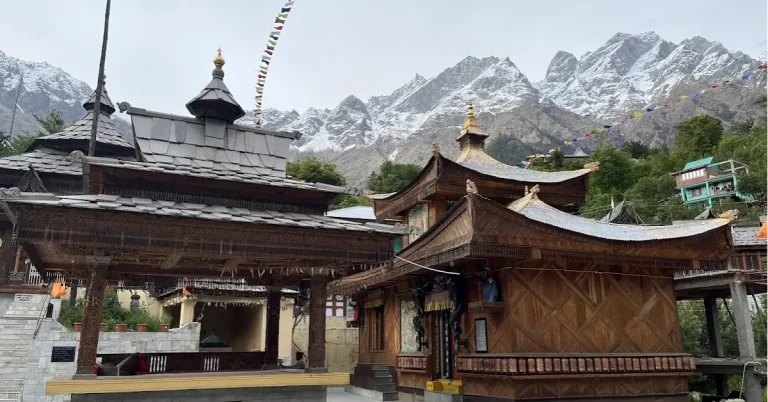
- Visit Mathi Temple
- Sit quietly near river banks (best experience)
- Eat at the famous Hindustan Ka Aakhri Dhaba
Return to Sangla by Evening
- Sunset views in valley
- Bonfire and dinner at stay
Overnight stay: Sangla Valley
Day 4: Sangla → Delhi (Overnight Return)
Distance: 520–550 km
Travel time: 14–16 hours
Route
Sangla → Karcham → Rampur → Shimla → Chandigarh → Delhi
Plan
- Start very early (5–6 AM)
- Breakfast stop at Rampur
- Lunch near Chandigarh
- Reach Delhi late night or early next morning
Tip: If you want less fatigue, add 1 extra night at Shimla on return.
Top Places & Experiences
1. Sangla Village & Baspa River
The town of Sangla is itself a welcoming base camp. Meander along the Baspa River — its waters gleam blue-green against a backdrop of rocky slopes and forests. Riverside walks and picnic spots along the banks are some of the best ways to soak in the valley’s essence.
Don’t miss:
- Quiet riverside photo spots
- You can enjoy trout fishing, which is seasonal and requires a permit.
- A sunset by the riverbank with a cup of chai
2. Kamru Fort
This fort is located quite close to Sangla. It is an old fort visited by several tourists every year. The fort was built centuries ago and is home to the Kamakhya Devi Temple as well. One can also enjoy lovely views of the entire valley from here.
Tips:
- Morning light gives you the option to see the valley views.
- You can also take a walk through the village.
3. Bering Nag Temple
This serene wooden temple is dedicated to Lord Jagas (Shiva). Bering Nag boasts fine Kinnauri craftsmanship and peaceful surroundings. If you come during the Phulaich festival (usually in September), you will get a chance to enjoy local celebrations here.
4. Batseri & Rakcham Villages
Between Sangla and Chitkul, the rustic villages of Batseri and Rakcham are perfect for offbeat exploration:
- Batseri: Traditional stone homes, cobbled streets, local temples, and a quiet ambience.
- Rakcham: High meadows and the lovely mountain calm.
These villages are quieter, and fewer people come here. So, if you love nature walks or are a slow traveller, this place is a must-visit.
5. Chitkul — The Last Village
After reaching Chitkul, you will feel like you’re coming at the edge of the earth. The place has many wooden homes, open fields, and towering peaks. The unique presence of the place makes your travelling worthy.
Top experiences in Chitkul:
- Baspa Riverfront vibe — listen to the river, breathe the crisp air, and watch light dance on water.
- Village strolls for quiet discovery
- Short meadow walks into surrounding fields with close-up mountain views
- It’s a place to sit, reflect, and feel small in the grandeur of the Himalayas.
Sangla Valley & Chitkul: Activities You Shouldn’t Miss
Trekking & Nature Walks
Sangla has many trekking opportunities for all kinds of travelers. Whether you are a beginner or want to explore multi-day alpine routes on your backpacking trip, there are endless activities to enjoy here.
- Sangla→ Rakcham Trail: This hike is an easy river path that is best for families.
- Rakcham → Chitkul trek: This is a bit longer and gives you the chance to enjoy the panoramic views.
- Advanced routes such as Borasu Pass are ideal for experienced trekkers.
No matter which route you choose, it is advised to hire a local guide for safety. A guide is highly recommended for longer hikes.
How to Reach Sangla Valley & Chitkul
By Road
Most tourists prefer this mode of transportation. The travellers can come by road from Delhi, Chandigarh or Shimla. The Himachal Tour often includes this long and scenic drive through Rampur and Jeori.
By Air
The nearest airport is Shimla Airport. From here, one can easily reach the place by taxi or buses that connect to Sangla.
By Train
The nearest major railhead is Kalka. From here, the travellers can move ahead with their journey by bus or taxi.
Where to Stay
There are many options to stay here. From cozy homestays and guesthouses in Sangla to riverside camps and simple lodges in Chitkul, people can choose a stay option based on their budget and needs. Homestays are also a great option for experiencing a warm and welcoming atmosphere. The visitors can also enjoy home-cooked meals. The locals here serve people with a smile and happy gestures.
Since many people come here, make sure you book in advance. Also in winter, some places may close or be difficult to reach, so plan accordingly.
Essential Travel Tips for Sangla Valley and Chitkul
It is advised to start the trip early, as mountain roads are safer by daylight.
- One must check road conditions as snow or landslides can affect access, especially in winter/monsoon.
- The visitors must carry enough cash with them. ATMs beyond Sangla are rare and often nonfunctional.
- Carry enough warm clothes with you. Even during the summer nights, the temperature drops significantly.
- The tourists must respect local culture. Wear decent clothes and eco-friendly practices.
Final Words
Both of these places are some of the main places. They are invitations to slow down, breathe deeply, and connect with one of India’s most beautiful mountain landscapes.
Whether you want to see some quiet places, experience the local culture, or enjoy some adventure activities, this offbeat Himalayan escape delivers.
FAQs
Chitkul is known as India’s last inhabited village in India, toward the Indo-Tibet border. The road ends here. It feels remote and untouched because of this unique location.
It is advised to avoid the monsoon months (July–August). The reason for this is landslides, which can disrupt travel.
Indian citizens generally don’t need special permits for Sangla or Chitkul. However, foreign nationals might require an Inner Line Permit (ILP). The permit is needed in case they are visiting restricted border areas.
Yes, you can cover both destinations in 4 days if you follow a road-focused itinerary with early departures. Stay overnight in Sangla, visit Chitkul as a day trip, and avoid unnecessary detours. This approach lets you experience the valley without rushing.