Planning a trip to Sangla Valley and Chitkul? Here’s what awaits you:
- India’s last inhabited village near the Indo-Tibetan border
- Crystal-clear Baspa River flowing through pine forests
- Snow-capped peaks, wooden villages, and apple orchards
- Perfect 4-day offbeat itinerary from Delhi
Sangla Valley and Chitkul: 4 Days Tour Itinerary
Sangla Valley and Chitkul rank among Himachal Pradesh’s most serene destinations. These offbeat mountain gems attract travelers seeking peace away from crowded hill stations. Snow-covered peaks, gushing rivers, quiet villages, and rich culture define these places.
Located along the Baspa River valley, both destinations offer unique experiences. Chitkul holds the title of “India’s last inhabited village before the Indo-Tibetan border.” Therefore, adventure seekers and nature lovers find this region irresistible.
Additionally, the journey through winding mountain roads rewards visitors with breathtaking landscapes. Ancient wooden homes, vibrant prayer flags, and warm local hospitality complete the experience.
For a well-planned journey, consider exploring Himachal Pradesh tourist destinations before your trip.
Sangla Valley & Chitkul: Why Visit These Places?
Sangla and Chitkul stand apart from typical hill stations. Their untouched landscapes and remote location create a peaceful retreat. Visitors come here to disconnect and recharge.
These places attract travelers because of:
- Quiet village lanes with traditional wooden homes
- Baspa River’s crystal-clear waters and scenic trails
- Snow-tipped peaks within touching distance
- Apple orchards, meadows, and pine forests
- Authentic Himachali culture and warm hospitality
In fact, these destinations offer more than stunning photos. They provide the chance to breathe deeply and slow down. Consequently, visitors leave feeling refreshed and inspired.
Book our Himachal tour package and explore this unforgettable journey with us.
Best Time to Visit Sangla Valley & Chitkul
Sangla and Chitkul transform dramatically with the seasons. Each period offers unique experiences and challenges.
For more helpful planning, read our guide to Dalhousie The Colonial Era.
Spring & Summer (April–June)
These months deliver ideal conditions for outdoor activities. Snow melts completely, revealing blooming meadows and clear trails. Days remain pleasant while nights turn cooler.
Trekking and camping enthusiasts prefer this season. Furthermore, wildflowers carpet the valleys in vibrant colors. Rivers flow at full capacity, creating perfect photo opportunities.
Autumn (September–October)
Golden hues dominate the landscape during autumn. Clear skies, crisp air, and fewer crowds make this period special. Harvest season brings golden fields and spectacular mountain views.
Photographers particularly love this season. Moreover, travel packages often offer better deals during these months. The weather remains stable and predictable.
For more helpful planning, read our guide to Places See Pithoragarh.
Before winter sets in, explore other scenic routes like places to see on the Delhi Manali route.
Winter (November–February)
Snow lovers find winter magical here. However, heavy snowfall often blocks access to Chitkul. Roads become treacherous and dangerous for inexperienced drivers.
Only seasoned winter travelers should attempt this journey. Nevertheless, the snow-covered landscape creates a winter wonderland. Additionally, accommodation options become limited during this period.
Winter Weather Update 2026-2027
| Month | Temperature Range | Road Status | Best For |
|---|---|---|---|
| November 2026 | -2°C to 12°C | Open, snowfall begins | Early winter visits |
| December 2026 | -5°C to 8°C | Partially accessible | Snow photography |
| January 2027 | -8°C to 5°C | Often closed | Extreme winter lovers |
| February 2027 | -6°C to 7°C | Gradually opening | Late winter trekking |
4 Days Sangla Valley & Chitkul Itinerary from Delhi
Day 1: Delhi → Shimla/Narkanda (Overnight Journey)
Distance: 350–380 km
Travel time: 9–10 hours
For more helpful planning, read our guide to Famous Destinations Visit Uttarakhand.
Route: Delhi → Chandigarh → Solan → Shimla/Narkanda
Plan:
For more helpful planning, read our guide to Kashmir Delhi Famous Road.
- Depart early morning or take an overnight Volvo/private cab
- Mountain views begin appearing after Chandigarh
- Take short breaks at Solan or Shimla bypass
- Arrive at Shimla or Narkanda by evening
Things to Do (if time permits)
- Stroll along Mall Road, Shimla
- Catch sunset at Scandal Point
- Sample Himachali dishes like siddu or thukpa
Stay Recommendation
- Choose budget hotels or homestays in Shimla or Narkanda
- Select Narkanda for a quieter evening
Overnight stay: Shimla / Narkanda
If you’re traveling with family, check out family-friendly activities in Kullu Manali for nearby options.
Day 2: Shimla / Narkanda → Sangla Valley
Distance: 220–240 km
Travel time: 7–8 hours
Route: Shimla → Narkanda → Rampur → Karcham → Sangla
Scenic Highlights:
- Dense forests surround Narkanda
- Sutlej River appears at Rampur
- Dramatic cliffs emerge after Karcham
Sightseeing En Route:
- Hatu Peak (optional) – offers snow views in early season
- Karcham Dam viewpoint
- Apple orchards welcome you to Sangla Valley
Evening in Sangla:
- Unwind by the Baspa River
- Take a short village walk
- Witness starry skies and complete silence
Stay Recommendation
- Book riverside camps or wooden homestays
- Stay in Sangla village for easier access
Overnight stay: Sangla Valley
Day 3: Sangla → Chitkul → Sangla
Distance: 40 km (round trip)
Travel time: 2–3 hours
Morning in Sangla:
- Explore Sangla Meadows
- Visit Kamru Fort and village lanes
- Enjoy breakfast with mountain views
Drive to Chitkul:
- Experience one of Himachal’s most scenic roads
- Pass snow peaks, wooden bridges, and prayer flags
During spring, consider timing your visit with the apple blossom season in Kullu Valley.
Explore Chitkul (Last Village of India)
- Stroll along the Baspa River
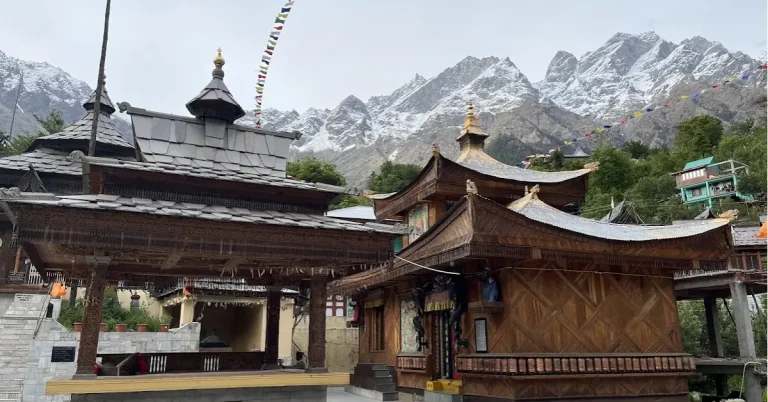
- Pay respects at Mathi Temple
- Sit peacefully near river banks
- Dine at the famous Hindustan Ka Aakhri Dhaba
Return to Sangla by Evening
- Watch sunset paint the valley
- Gather around a bonfire for dinner
Overnight stay: Sangla Valley
Day 4: Sangla → Delhi (Overnight Return)
Distance: 520–550 km
Travel time: 14–16 hours
Route: Sangla → Karcham → Rampur → Shimla → Chandigarh → Delhi
Plan:
- Begin very early (5–6 AM)
- Stop for breakfast at Rampur
- Have lunch near Chandigarh
- Arrive in Delhi late night or early next morning
Tip: To reduce fatigue, add 1 extra night at Shimla on your return journey.
For accommodation options along the way, review the guide on best hotels in Shimla, Kullu & Manali.
Top Places & Experiences
1. Sangla Village & Baspa River
Sangla village serves as a welcoming base camp. The Baspa River flows with blue-green waters against rocky slopes and forests. Riverside walks reveal the valley’s true essence.
Don’t miss these experiences:
- Peaceful riverside photography spots
- Seasonal trout fishing (permit required)
- Sunset viewing with chai by the riverbank
2. Kamru Fort
This ancient fort stands near Sangla village. Built centuries ago, it houses the Kamakhya Devi Temple. Visitors enjoy panoramic valley views from here.
Tips:
- Morning light enhances valley photography
- Explore the surrounding village on foot
3. Bering Nag Temple
This serene wooden temple honors Lord Jagas (Shiva). Bering Nag showcases fine Kinnauri craftsmanship. Peaceful surroundings invite quiet contemplation.
During the Phulaich festival (usually September), local celebrations bring the temple alive. Consequently, visitors witness authentic cultural traditions and ceremonies.
4. Batseri & Rakcham Villages
Between Sangla and Chitkul, these rustic villages offer offbeat exploration:
- Batseri: Features traditional stone homes, cobbled streets, local temples, and quiet ambience
- Rakcham: Showcases high meadows and peaceful mountain calm
These villages attract fewer tourists. Therefore, nature walk enthusiasts and slow travelers find them perfect. Additionally, locals share stories and traditional wisdom generously.
Looking for more offbeat destinations? Discover top 5 hill stations in Himachal Pradesh.
5. Chitkul — The Last Village
Chitkul feels like the edge of the earth. Wooden homes, open fields, and towering peaks create unique charm. This remote location makes every moment special.
Top experiences in Chitkul:
- Baspa Riverfront atmosphere — listen to flowing water and breathe crisp air
- Village strolls for quiet discovery
- Short meadow walks offering close-up mountain views
- Perfect spot to reflect and feel the Himalayan grandeur
Sangla Valley & Chitkul: Activities You Shouldn’t Miss
Trekking & Nature Walks
Sangla offers trekking opportunities for all experience levels. Beginners enjoy easy trails while experts tackle multi-day alpine routes on their backpacking trip.
- Sangla → Rakcham Trail: Easy river path suitable for families
- Rakcham → Chitkul trek: Longer route with panoramic views
- Advanced routes like Borasu Pass challenge experienced trekkers
Regardless of your chosen route, hire a local guide for safety. Guides prove essential for longer hikes through unfamiliar terrain.
How to Reach Sangla Valley & Chitkul
By Road
Most travelers prefer road journeys. Routes from Delhi, Chandigarh, or Shimla offer scenic drives through Rampur and Jeori. Himachal tours often include this memorable route.
By Air
Shimla Airport serves as the nearest option. From there, taxis or buses connect easily to Sangla. However, flight schedules remain limited and weather-dependent.
By Train
Kalka stands as the nearest major railhead. After arriving, travelers continue their journey by bus or taxi. This option combines rail comfort with road adventure.
Where to Stay
Accommodation options range from cozy homestays to riverside camps. Sangla offers more choices than Chitkul. Budget travelers find guesthouses while luxury seekers book boutique properties.
Homestays provide warm atmospheres and home-cooked meals. Locals serve guests with genuine smiles and happy gestures. Therefore, visitors enjoy authentic cultural exchanges.
Book accommodations well in advance, especially during peak seasons. Winter closures affect many properties, so plan accordingly and confirm availability beforehand.
Essential Travel Tips for Sangla Valley and Chitkul
Start your journey early because mountain roads prove safer in daylight. Additionally, early departures help avoid afternoon traffic congestion.
- Check road conditions regularly as snow or landslides affect access
- Carry sufficient cash because ATMs beyond Sangla rarely function
- Pack warm clothes since temperatures drop significantly at night
- Respect local culture through modest dress and eco-friendly practices
Final Words
Sangla Valley and Chitkul invite you to slow down completely. These destinations help you breathe deeply and connect with India’s most beautiful mountain landscapes.
Whether seeking quiet retreats, cultural experiences, or adventure activities, this offbeat Himalayan escape delivers. Therefore, pack your bags and prepare for an unforgettable journey.
FAQs
Chitkul is known as India’s last inhabited village in India, toward the Indo-Tibet border. The road ends here. It feels remote and untouched because of this unique location.
It is advised to avoid the monsoon months (July–August). The reason for this is landslides, which can disrupt travel.
Indian citizens generally don’t need special permits for Sangla or Chitkul. However, foreign nationals might require an Inner Line Permit (ILP). The permit is needed in case they are visiting restricted border areas.
Yes, you can cover both destinations in 4 days if you follow a road-focused itinerary with early departures. Stay overnight in Sangla, visit Chitkul as a day trip, and avoid unnecessary detours. This approach lets you experience the valley without rushing.