Planning clothes for India can feel confusing because the country has different climates, traditions, and travel settings. Knowing what to wear in India helps travelers stay comfortable, respectful, and confident throughout the journey. Light cotton clothes, covered shoulders, and knee-length outfits work well in most places. Choices often change based on cities, seasons, and cultural sites. Busy urban areas allow casual dressing, while temples and small towns expect modest clothing. Hot summers, cool winters, and rainy months also affect packing decisions. Wearing the right clothes not only protects from heat and humidity but also helps blend into local life.
This guide provides easy clothing hints for various areas, times of the year, and tourist locations, to make traveling throughout India easier and more fun.
Why Clothing Matters When Traveling in India
Clothing plays an important role when traveling in India due to the country’s strong cultural values and changing weather. Dressing appropriately helps travelers stay comfortable in the heat, avoid unwanted attention, and show respect for local customs. Casual clothing is appreciated in most places, especially public spaces and traditional areas. Breathable fabrics like cotton make long travel days easier, while covered outfits help visitors feel more confident. Wearing the right clothes also helps tourists blend in better and enjoy local experiences without discomfort.
Explore the Beauty of India with Comfortable Clothing
Here’s a complete breakdown of what you can wear in some parts of India, see:
Regional Breakdown
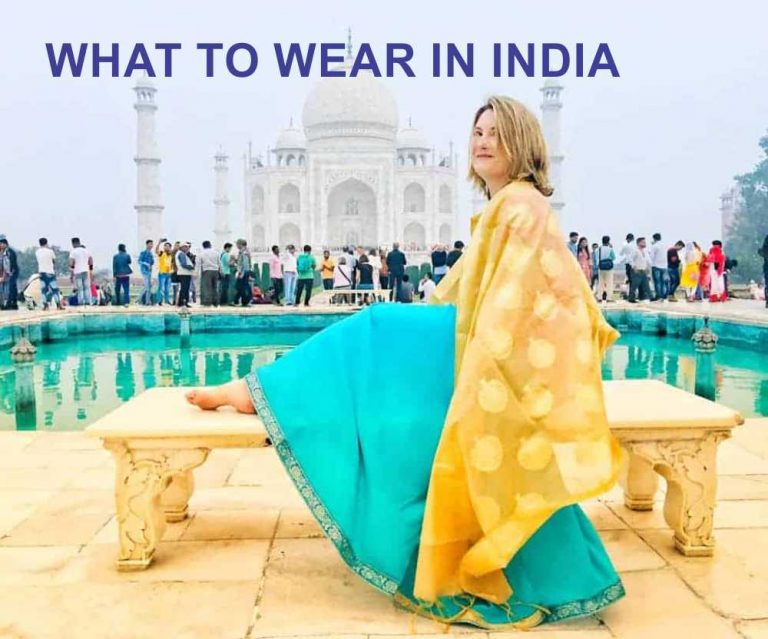
India’s vast geography is home to numerous cultures and customs that continue to evolve, leading to a multitude of styles of traditional clothing worn in different parts of the country. In the north, the salwar kameez is probably the most well-known traditional outfit for women. A typical representation would include a long tunic (kameez) that covers the ankle, along with large, flowing trousers (salwar).
Sarees are worn by females in South India, whereas for males these same communities typically dress in knee-length shorts known as “lungis.” Northern Indian males typically wear “kurta-pajamas” which are also knee-length shorts.
Urban India
- North India: People often wear modest clothing in large public areas such as courthouses and temples, in cities such as Delhi, Chandigarh, and Jaipur. Women may wear long skirts or dresses, and men may wear formal shirts and pants. A lightweight sweater or jacket may be needed in cold weather.
- South India: Chennai, Bangalore and Hyderabad are the three southern Indian cities which have access to the most advanced technology. As such, people should wear light cotton clothes because of the very warm, humid climate. Examples of men’s clothing are dhoti or lungi; examples of women’s attire are saree or salwar kameez.
- East India: The two largest cities in East India are Guwahati and Kolkata. Light cotton clothes are suitable as the weather is comfortable. Women may wear sarees or salwar kameez, while men may wear kurtas and pyjamas.
- Western India: Western India’s largest metropolis includes Mumbai and Ahmedabad. Because of the region’s heat and humidity, light cotton clothing is preferred. Ladies may wear either sarees or salwar kameezes, while men frequently wear kurtas and pajamas.
Tourist Towns and Temples
At most tourist sites and locations of religious significance, clothing must adhere to strict guidelines. For visitors to temples, it is the expectation that visitors to temples will dress modestly by having no exposed knees or shoulders. Males may wear dress pants and dress shirts, while females may wear a full-length skirt or a dress. Answering the question, what should I wear when I come to India?
Beachwear is acceptable in places such as Goa or Kerala, but visitors must wear something else when they step into a restaurant/store. This is because there are locations that may draw attention for the wrong reasons if dressed inappropriately. So now that you know what not to wear in India, you will be dressing appropriately for your trip!
Seasonal Clothing Requirements
India experiences the summer, winter, and monsoon seasons. Light cotton clothing is appropriate for the hot and muggy summer months (March to June). The winter months (November to February) are excellent, so carrying a light sweater or jacket is necessary.
Heavy rainfall occurs throughout the monsoon season (July to September); therefore, having a raincoat or umbrella on hand is advised.
What to Wear in Temples and Religious Places
Religious places in India follow strict dress codes that visitors must respect. Covered shoulders, full-length pants and knee-length skirts are expected in temples and holy places. Sleeveless tops, short dresses and shorts are generally not allowed. Plain, loose clothing is preferred, and shoes must be removed before entering many temples. Dressing modestly shows respect and allows travelers to enter without hesitation or discomfort.
Conclusion
Choosing the right clothes makes traveling in India more comfortable and enjoyable. Weather, location and local traditions all play a role in deciding what to wear. Light fabrics help manage heat, while modest clothing helps passengers feel confident in public spaces. It is especially important to dress respectfully in temples and traditional areas.
Small clothing choices can prevent discomfort and unwanted attention during a trip. With thoughtful packing and an awareness of local customs, travelers can move freely and focus on exploring India’s culture, food and landscapes. Dressing appropriately allows visitors to travel with ease, respect and confidence throughout their journey.
FAQs
There are no strict dress codes for tourists visiting to India however, it is advised that tourists should wear modestly. Tourists will feel more confident and be respected as consumers when they wear clothing that covers their shoulders and is knee length or longer, while wearing comfortable clothes and shoes when they are in public spaces and in smaller towns.
Beach resorts and other tourist locations create an ideal environment for wearing shorter lengths and sleeveless apparel. In contrast, wearing longer garments creates more of a sense of comfort in less populated cities and towns. Additionally, revealing or showing more skin tends to be viewed as inappropriate when not at the beach.
Visitors should wear modest clothing when entering temples, mosques, and other religious places. Covered shoulders, full-length pants, or long skirts are expected. Many places require removing footwear before entry.
Light and breathable fabrics work best in India. Cotton and linen help keep the body cool during hot and humid weather. Loose-fitting clothes allow better airflow and reduce discomfort while traveling.
Both traditional Indian clothing and Western clothes are suitable for travelers. Western outfits like jeans and long tops are common in cities. Traditional clothing can feel more comfortable and respectful in cultural and religious areas.