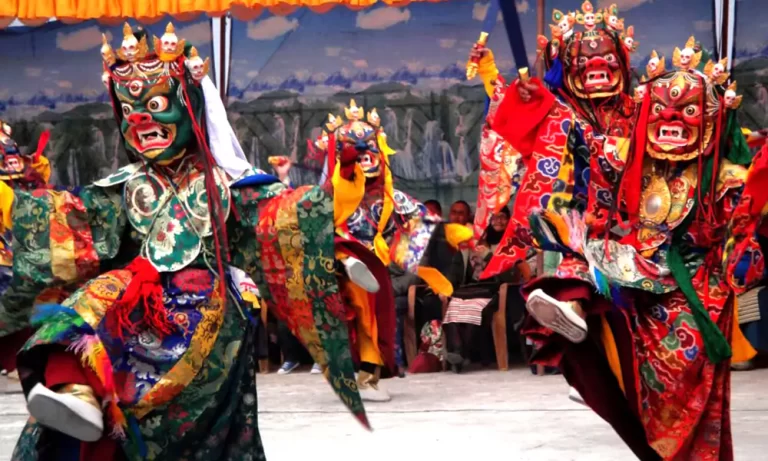
Sikkim blends different traditions as many Nepalese and Bhutias call it home. For business purposes, many Biharis and Punjabis migrated to this incredible state. Diverse tribes and castes have contributed a variety of dances and traditions that make this state unique. The Valley of Rice presents a bouquet of culture to welcome you to the land. If Sikkim is on your bucket list of places to visit, don’t forget to see their mask dance!
As a token of appreciation for Mount Khangchendzonga, Sikkimese celebrate Dussehra and Phang Labsol festivals. Other festivals include Losoong, Namoong, and Labab Duchen.
Arts and culture of Sikkim:
Diverse culture has a deep-rooted influence on the arts of this state.
For more helpful planning, read our guide to Ganesh Chaturthi Date Muhurat.
- Thangyaka paintings: Monks and priests created these paintings related to Buddhism. Nowadays, artisans produce these paintings commercially.
- Religious places: For spiritual seekers, Sikkim offers a heavenly experience with numerous sacred sites.
- Carpet weaving: The aesthetic design of the carpets in Sikkim makes everyone wonder. Artisans dye them with natural vegetable colours. All carpets are handwoven, and the designs spring from their imagination, showing their incredible creativity.
- Handlooms: Sikkim handlooms attract visitors for their aesthetic design and warmth. Foreign tourists prefer beautifully woven shawls in traditional designs.
Additionally, exploring nearby Festivals in Himachal Pradesh enriches your cultural experience in the Himalayan region.
Dress Sikkim people wear:
Sikkim Traditional Dress:
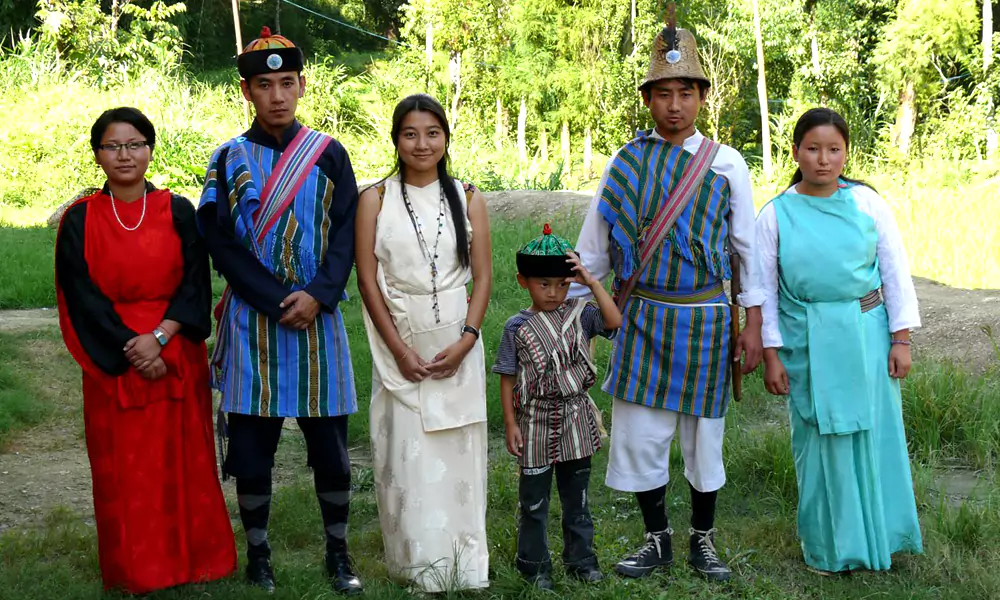
Sikkim showcases vibrant culture through its colourful dress. Indigenous tribes and kings ruled that part of the country and locals wore traditional attire. Sikkimese attire gives you a taste of Tibetan, Nepalese, and Bhutanese traditional dress. The reason is this state has many people from these countries. Complex designs and bright colours show the rich cultural heritage of these nations.
For more helpful planning, read our guide to Festa Diu 2026 The.
Major Traditional dresses of Sikkim:
- Bakhu.
- Tohr.
- Dotho.
- Tharo.
- Choktsee.
- Honju.
- Pangden.
- Kera.
Sikkim Traditional Dress for Women:
In Sikkim, you can see beautiful ladies wearing vibrant-coloured dresses. They usually wear silk clothes on which Choktees, an auspicious symbol of Buddhism, is printed. Women pair honju silk blouses with these silk clothes. A woollen wrap-around skirt with attractive designs completes the outfit. They use kera to cover their face and shoulder in public places.
One thing notable about these dresses is the material from which artisans make them. Affluent families wear silk dresses. Less affluent women wear woollen and cotton clothes. Women’s attire closely resembles Tibetan attire along with Bhutanese designs. Now, designers incorporate contemporary designs into traditional patterns to make them more attractive.
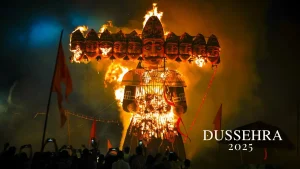
For instance, celebrating Dussehra 2026 offers insight into the traditional festivities of the region.
Sikkim Traditional Dress for Men:
Bakhu, Tohr, Dotho, and Tharo are some of the traditional attire for men. Dotho is a wrap-around skirt. Tohr serves as a shirt. Just like women’s Kera, Tharo is a scarf for men. They wear silk, cotton, and commonly wool like Sikkimese women. Tibet and Bhutan continue to influence the attire of Sikkim. The dresses depict the mixed culture of Tibet and Bhutan and suit mountainous cold climates.
Sikkim government conducts events and festivals to showcase and protect its cultural heritage. The government urges the youth to learn about their culture. This increases awareness about the tradition of Sikkim and helps youth take pride in it. Foreign fashion influence is the major challenge Sikkim traditional dresses face today.
Must Read: Plan a trip to Sikkim this year: Places, Trekking & Lakes
Moreover, experiencing the Manali Winter Carnival provides another perspective on Himalayan celebrations.
Folk music and dance of Sikkim:
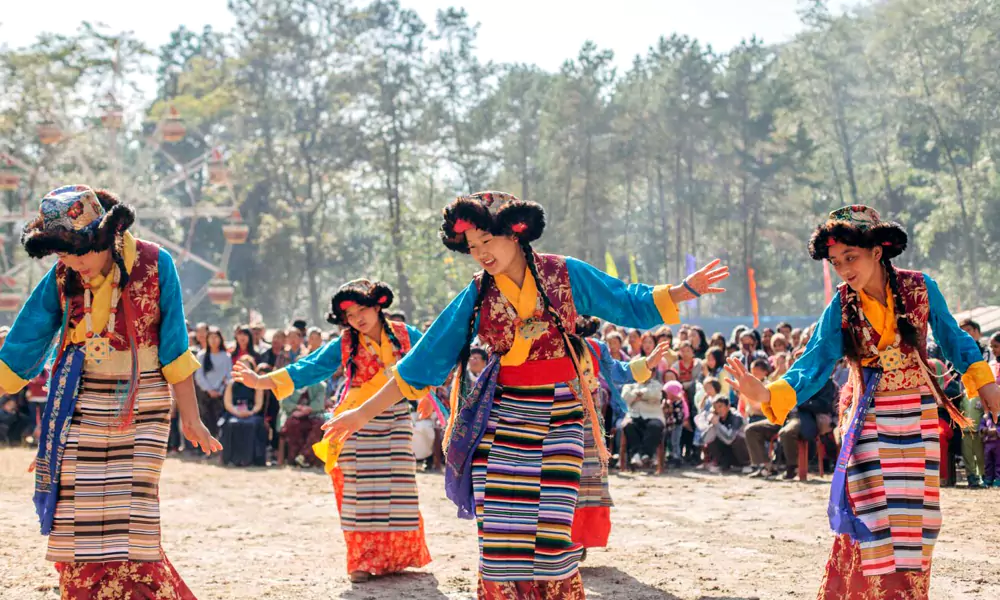
Sikkim music and dance have a tint of folk traditions from three communities: Lepcha, Nepalis, and Bhutia. Some Sikkimese folk dances and music depict the beauty of the surrounding landscape. Others make you feel the joy the spring season brings with it. The songs are about harvest season. Some others bring good luck to the people. A group of young boys and girls dance to the tunes of traditional music and invoke Gods to bring good fortune.
Sikkim Folk Dance:
Sikkim rests in the lap of the mighty Himalayas. The songs and dances of these people always centre around the mountains. Some traditional songs describe beautiful nature. Others celebrate the harvest season. Some others pray for good fortune. Their dance shows the social customs and religious practices of the Sikkim people. The breathtaking nature of Sikkim entices the minds of everyone who visits this place.
Traditional Folk Dance of Sikkim:
For more helpful planning, read our guide to Bikaner Camel Festival Dates.
- Singhi Chaam: Snow lion is an imaginary animal whose sight brings good fortune to Sikkimese people. Singhi Chaam dance is one of the traditional folk dances of Sikkim. It shows the white lion that comes alive in the dance, bringing luck to the people.
- Yak Chham: Yak is the best friend of those who reside on the rugged slopes of mountains. They give wool to protect from dying cold. Their milk quenches thirst and makes butter. Yak Chham is a dance where dancers wear yak skin and dance to enchanting music.
- Shelo: Shelo is a Nepalese traditional dance art. Young boys express their love for their loved ones through this dance. Dancers perform Shelo to express love and affection for newly discovered romance. The mesmerising melody of the song and the grace of dance brimming with love coax the hearts of girls. They accept the proposals of the boys. This is one of the wonderful traditional folk dance forms of Sikkim.
- Sherpa dance: Sherpa dance costumes resemble Tibetan dresses. Dancers perform to tunes of a song praising God for the incredible land and cultural heritage. The dance and the song introduce the lifestyle of Sherpas. They are proud of their rich heritage. Through their songs, they pray for peace and prosperity in their land.
Similarly, the Rann Utsav at Kutch showcases Gujarat’s rich cultural tapestry through dance and music.
Music of Sikkim:
Tamang Selo is the music of Sikkim. It is a Nepali traditional music that came to India along with Nepali people who settled in Sikkim. Dhampu is a musical instrument Sikkimese use that adds rhythm to the music. Musicians also use other instruments like Madan and Tungna along with Dampu. These instruments bring out the beauty of the music and dance of Sikkim.
For more helpful planning, read our guide to What Kumbh Mela Know.
Traditional Festival of Sikkim:
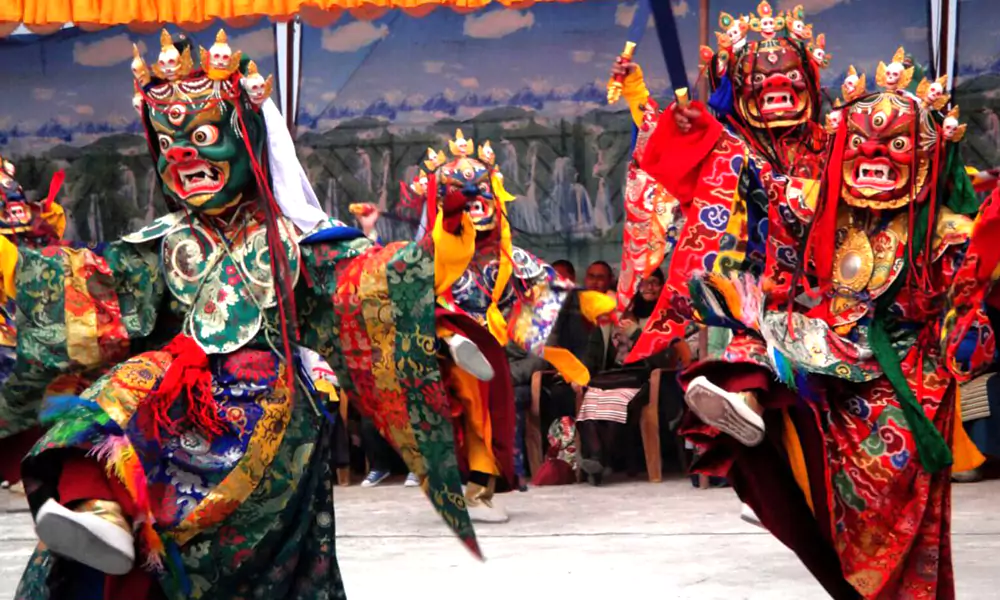
Sikkimese celebrate many festivals. It is a state that has absorbed different cultures and emerged as a resilient and tolerant place. Sikkim celebrates different festivals of many faiths, giving equal respect to all religions.
The Sikkim traditional festivals are:
For more helpful planning, read our guide to Kumbh Mela Fair Festival.
- Maghe Sankranti: Maghe Sankranti marks the start of the harvest season. This is the main festival of Nepal. Communities celebrate it on the 14th of January every year.
- Sonam Lochar: Sonam Lochar is the Tamang community New Year celebration. It falls in the 12th month of the lunar calendar.
- Losar: Losar is a Tibetan New Year celebration. Communities celebrate it with pomp and pride in Sikkim according to the Tibetan lunar calendar.
- Holi: Holi is a Hindu festival that symbolizes the victory of good over evil. People sprinkle coloured water over others and enjoy the festivities.
In addition, attending the Jaisalmer Desert Festival offers a contrasting desert cultural experience.
Conclusion
Many communities peacefully coexist in Sikkim, making it a cultural basket of India. The aborigines of Sikkim are the Lepchas community. Bhutias from Tibet joined them. Nepalese form 80% of the inhabitants of Sikkim. A large number of Indians from various regions of the nation have relocated to Sikkim. Sikkim culture reflects the influence of each of these groups. Even with the government’s attempts, Sikkim maintains its ancient customs and culture. As a form of art, the music and dance of Sikkim represent the state’s cultural heritage.
Suggested Tradition Travel Blogs and Tour Packages
- 2026 Bucket List Travel: Best Places To Visit In The World
- Packing tips for trips: an ultimate checklist for any destination
- Most Famous Monuments and Landmarks In Canada
- 5 Days of Wonder: Explore India’s Golden Triangle in a Traditional Way
- Itinerary for a Perfect 6-Day Golden Triangle Tour in India
- Jaipur Agra Delhi Tour Start From Jaipur
- 4 Days Delhi Agra Jaipur Tour By Car & Driver
- 3 Days Delhi Jaipur Agra
- Delhi Agra Jaipur With Alsisar Tour