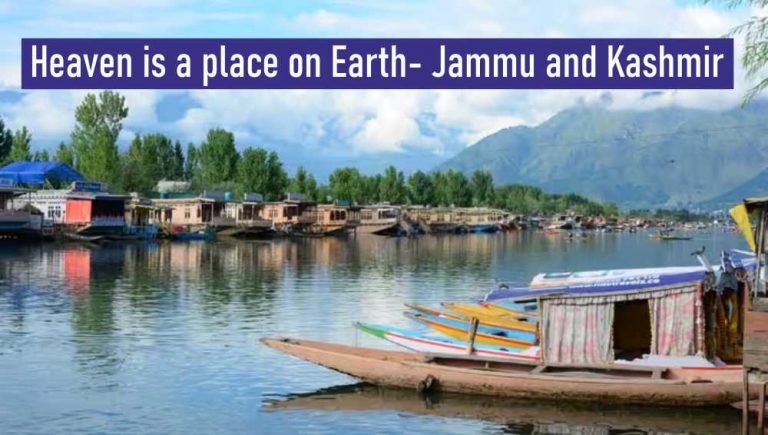
So, are you planning to book a tour in Jammu and Kashmir? The valley has survived a harsh few years in history. Now there is a new direct rail service which will connect Jammu and Kashmir in less than five hours, and tourist numbers destined to break every previous record. And if you have been waiting for the right time to see what is being described as heaven on earth, then this is your shot
Before You Leave a Geography Primer
Until about half a million years ago, Kashmir was not a valley at all. This was once a large lake, Karewa Lake. And then a geological event drained the lake, leaving the bowl-shaped valley we see today between the Karakoram Range and Pir Panjal.
That ancient lakebed is partly why the soil in this area feels like a garden. As a result, nature has apparently favoured this land more than most and some corners are almost too perfect to be real.
The New Train Connection
So, biggest update is that you need not to bear a boring road trip till Jammu in order to reach Kashmir. And finally getting there is no longer stressful.
The Jammu Tawi–Srinagar Vande Bharat Express now takes fewer than four hours and fifty minutes to cover an otherwise a 269 km route, which operates six days a week. This train is a part of the Udhampur–Srinagar–Baramulla Rail Link, for studying decades.
The 20-coach train connects the national rail network directly to the Kashmir Valley and reduces travel time to less than five hours. This made a perfect, budget-friendly family trip plan for Jammu and Kashmir tour. There are no more detours from landslides and you’re not losing a whole day travelling on rough mountain roads.
Why Kashmir Tour is compared with the Heaven
Landscapes That Don’t Look Edited
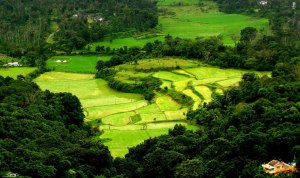
At every nook and turn, it seems nature itself had been the color grader here, from the Pir Panjal foothills to the serpentine rivers green it is! In the autumn, Chinar trees from gold and crimson in the valley, snow-fed rivers run in a almost unbelievable shade of blue.
Valleys Within the Valley
I believed Kishtwar, Suru, Nubra, Betaab and Poonch are all trapped where the Kashmir Valley has made large silences. They remain so motionless that you can hear the wind stir it.
Tulips
If you come in spring, you will find the Indira Gandhi Memorial Tulip Garden (India’s only tulip garden) looking its best. The Tulip Festival, attracted more visitors than ever before, and once you see a field of colour set against snow capped peaks you’ll understand why.
Warm and Welcoming Locals
Hospitality here is not performative. Many travelers claim it is in the warmth of the local Kashmiri people that brings them joy long after the scenery has faded from their pictures.
Lakes That Glow at Sunrise
These postcard perfect pictures of a Kashmir tour are every ones dream, Dal Lake and its also nearby Nageen lake in Srinagar. Even merely going for the golden hour shikara to the hills is enough to justify this trip.
Food Worth Planning Meals Around
Throw a cup of Kahwah in the morning and work through Rogan Josh, Gushtaba, Yakhni, Dum Aloo for lunch. Finally, wrap up the day with a glass of Noon Chai as you watch the sun go down. The mere cuisine of Kashmir is enough to make you stay for more!
The Gulmarg Gondola
Gulmarg Gondola is one of the highest cable rides across the globe. As it ascends towards Apharwat Mountain, the Himalayan scenery it rewards you with is an unwieldy misuse of any camera.
A Night on a Houseboat
Wooden houseboats with hand-carved balconies ornately painted dotted on Dal and Nageen Lake. Spending a night on one is the kind of experience travelers cross entire countries off their bucket list for.
Must Visit Places on a Tour to Jammu and Kashmir
In Jammu:
- Raghunath Mandir
- Poonch Fort
- Mansar Lake
- Nandini Wildlife Sanctuary
In Kashmir:
- Gulmarg
- Dal Lake
- Indira Gandhi Tulip Garden
- Amarnath Cave
- Nishat Garden
- Sonamarg
Is It Safe to Visit Kashmir?
Yes. Most of the sites that were highly restricted have been reopened by authorities, while special security measures were taken in some heavily trafficked areas. This built up traveller confidence gradually.
What is the Best Time for a Visiting in Jammu and Kashmir Tour?
Depending on what you want to experience, you can choose the time at which to do it.
Spring (March–May) The valley becomes vibrant with color. Tulip Garden blooming in full, lots of tourists flocking to the festival, and still not too hot weather means ideal sightseeing conditions but without large crowds just yet. That being said, this is a good initial option and especially for photographers.
Summer (June–August) is the busiest season mainly for families and hiking people. The temperatures in the rest of India is too high, but here the temperatures are cool and pleasant November to February This is another great period for visiting Gulmarg, Pahalgam, Sonamragh as well as houseboat stays and the Kashmir Great Lakes trek. Though be prepared for costs to be much higher, and larger crowds — expect some 5,000 riders a day on Gulmarg’s gondola this winter.
Autumn (September–November) is the runner-up. Chinar trees turn gold and red, crowds disappear, which makes this stretch probably the most beautiful at least to those not sensitive to cooler evenings; Chao-chi, Ranga-nagul and Gul-darwaza all become surreal.
Winter (December–February): The peak of the winter season embraces snow and skiing. Gulmarg becomes a real winter sports resort and parts of Dal Lake sometimes freeze. Thanks to snow tourism, hotel occupancy remains high — but heavy snowfall can make the roads treacherous. And that’s where the new Vande Bharat train comes into play, as it connects Jammu and Srinagar even when highways find it hard.
Short answer is April–June for flowers and mild weather; July–August for adventure/family trips; September–October for fewer crowds; December–February for snow.
Final Word
What it looked like earlier, a Jammu and Kashmir tour is nothing compared to now. Faster trains, reopened attractions, and a tourism industry operating at full throttle all now greet visitors in record numbers. Pre-booking your tickets and hotel is advisable, particularly during the peak season when Gulmarg and Pahalgam see almost full occupancy if you are booking through a travel operator.
6 to 7 days if you want to cover Srinagar, Gulmarg, Pahalgam, and Sonamarg without rushing, and an extra day or two if you’re adding Jammu’s temples and forts.
Gulmarg, Dal Lake, Sonamarg, Nishat Garden, the Indira Gandhi Tulip Garden, and Amarnath Cave top most itineraries.
Raghunath Mandir, Poonch Fort, Mansar Lake, and Nandini Wildlife Sanctuary are the main highlights.
The Indira Gandhi Memorial Tulip Garden blooms in spring, typically late March through April.