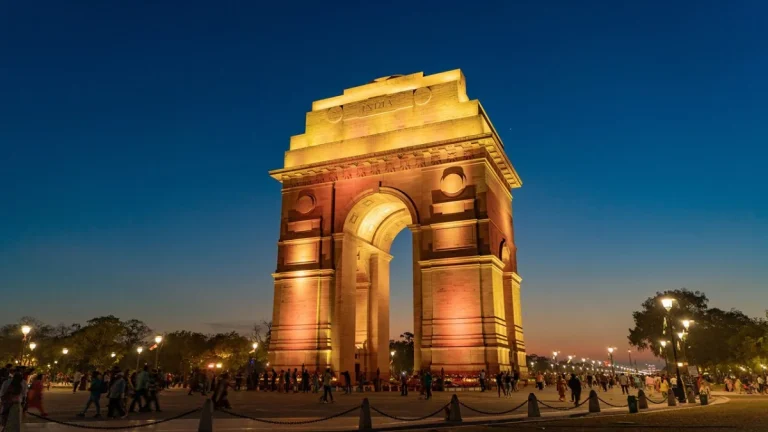
Delhi’s India Gate and Mumbai’s Gateway of India are two landmarks that have quietly become part of India’s soul. Both rise with a kind of dignified silence.
One stands in the heart of a bustling capital, the other gazes out at the Arabian Sea. In this blog, we’ll take a closer look at what makes each monument truly special — their architecture, the history baked into their stones, and the feelings they stir in anyone who stands before them. Because sometimes, the best way to understand a place is to compare it with another.
Which Should You Visit?
Choose India Gate if you:
- Interest in history
- Want to explore Delhi’s government district
- Enjoy evening walks and national monuments
Choose Gateway of India if you:
- Love sea views
- Want ferry rides
- Prefer Mumbai’s coastal atmosphere
1: Historical Significance
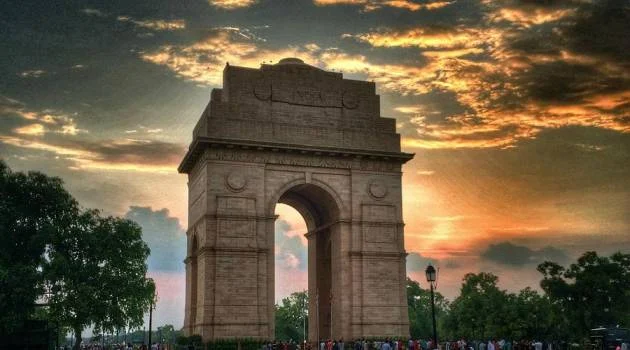
India Gate stands tall as a war memorial, honoring the sacrifice of Indian soldiers who lost their lives in World War I and the Afghan Wars. It serves as a solemn reminder of their bravery and dedication, symbolizing national pride and unity. On the other hand.
The Gateway of India holds historical significance as the ceremonial entrance for British colonial rulers upon their arrival in India. Its construction marked a significant moment in India’s history, witnessing the end of British rule and the emergence of an independent nation.
2: Architectural Design
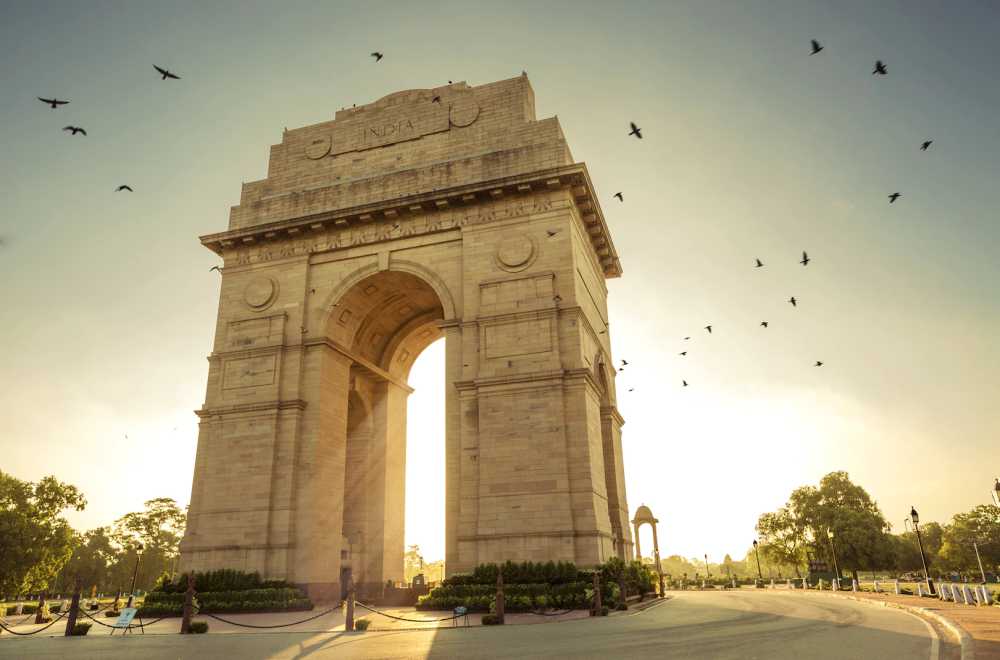
India Gate, designed by Sir Edwin Lutyens, boasts architectural grandeur that is both impressive and awe-inspiring. Its design draws inspiration from the Arc de Triomphe in Paris, featuring a towering arch and intricate carvings. The names of the fallen soldiers engraved on its walls add a poignant touch. In contrast.
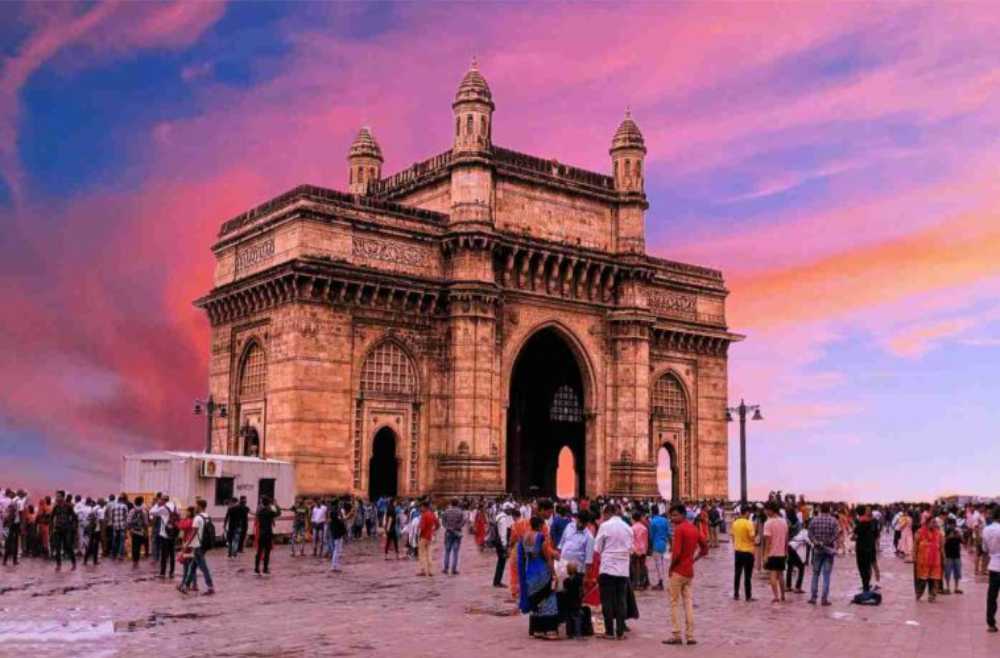
The Gateway of India showcases a fusion of architectural styles, combining elements of Islamic, Hindu, and European influences. Its colossal structure, adorned with intricate details and adorned with bas-reliefs, presents a mesmerizing sight.
3: Cultural Significance and Emotional Connection
India Gate has become an integral part of Delhi’s cultural fabric, serving as a symbol of national identity and pride. It is a rallying point for celebrations, protests, and public gatherings, reflecting the collective spirit of the Indian people. The annual Republic Day parade, held nearby, further highlights its significance. In contrast.
The Gateway of India holds a special place in the hearts of Mumbaikars, symbolizing the city’s cosmopolitan nature and acting as a major tourist attraction. It offers breathtaking views of the Arabian Sea and serves as a meeting point for locals and tourists alike.
4: Accessibility and Surroundings
India Gate enjoys a strategic location in the heart of Delhi, making it easily accessible to both locals and tourists. The expansive lawns surrounding the monument provide a serene setting for people to relax and spend time with loved ones. The lighting of India Gate in the evening creates a magical ambiance, drawing visitors from all walks of life.
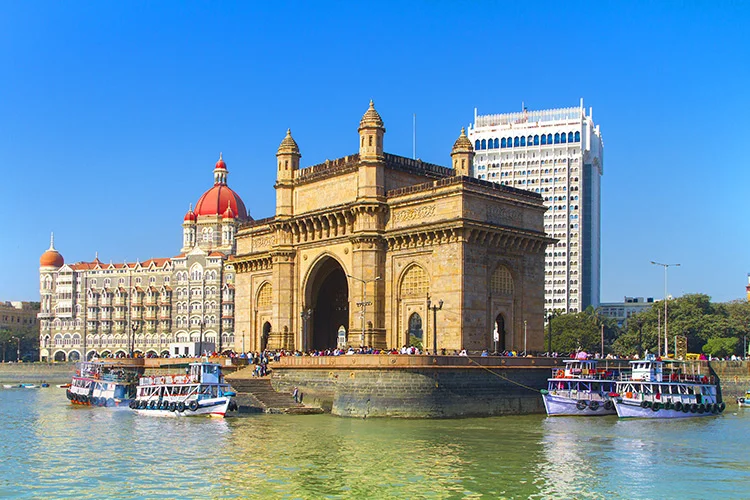
The Gateway of India, situated on Mumbai’s waterfront, offers a picturesque view of the Arabian Sea and stands as an iconic symbol of the city. Its proximity to other attractions like the Taj Mahal Palace Hotel and the bustling Colaba Causeway adds to its allure.
5 : Location and City
India Gate is located in New Delhi, the capital city of India. It stands in the heart of the city, near the Kartavya Path and in close proximity to other significant landmarks like the Rashtrapati Bhavan and Indian Parliament. On the other hand.
The Gateway of India is situated in Mumbai, the financial capital of India. It is located at the waterfront of the Arabian Sea in South Mumbai.
6 : Things to do when Visiting
When visiting India Gate in Delhi or Gateway of India in Mumbai, there are several activities and attractions that you can enjoy in their respective surroundings. Here are some things to do in each location:
India Gate, Delhi
- Pay homage at India Gate: Take a moment to honor the brave soldiers at the war memorial. Reflect on their sacrifices and appreciate the significance of this national monument.
- Explore Kartavya Path: Walk along the ceremonial boulevard from India Gate to the Rashtrapati Bhavan. Enjoy the greenery, gardens, and architectural marvels along the way.
- Visit nearby museums: Explore the National Museum, National Gallery of Modern Art, or the National Science Centre, which are located within a short distance from India Gate. These museums offer a wealth of knowledge and cultural exhibits.
- Boat ride in the nearby lake: Visit the nearby boating facility at the adjacent Princes’ Park Lake and enjoy a leisurely boat ride amidst serene surroundings.
- Attend events and festivals: India Gate often serves as a venue for various cultural and national events. Check the local event calendar to see if there are any festivals or concerts taking place during your visit.
Gateway of India, Mumbai
- Enjoy the waterfront promenade: Take a leisurely stroll along the promenade near Gateway of India, enjoying the cool sea breeze and panoramic views of the Arabian Sea.
- Take a boat ride to Elephanta Caves: From the Gateway of India, you can board a ferry to visit the UNESCO World Heritage Site of Elephanta Caves. Explore the ancient rock-cut caves and marvel at the intricate sculptures.
- Visit nearby attractions: Explore the bustling Colaba Causeway, a vibrant street lined with shops, cafes, and restaurants. Also, visit the iconic Taj Mahal Palace Hotel, located near the Gateway, and admire its stunning architecture.
- Take a Mumbai Harbour cruise: Enjoy a boat cruise around Mumbai Harbour, offering breathtaking views of the city skyline, iconic landmarks, and bustling waterfront.
- Taste local street food: Indulge in Mumbai’s famous street food at nearby stalls or head to the iconic Leopold Café for a meal, immersing yourself in the city’s culinary delights.
Both India Gate and Gateway of India offer a range of activities and experiences that cater to different interests. Remember to check the local regulations, opening hours, and any specific guidelines before visiting these landmarks and engaging in the suggested activities.
FAQs
Gateway of India is older than India Gate
Early mornings and evenings