Ayodhya has changed a lot in the last one year. After the opening of the Shri Ram Janmabhoomi Temple, the entire city has become one of the busiest pilgrimage spots in India. New roads, clean ghats, better crowd management, and improved facilities have made it easier for travellers to explore the city.
If you visited Ayodhya years ago, the experience today is completely different. If you are planning your first trip, this guide will save you from confusion and help you cover the most important places without wasting time. Let’s go step by step.
Why visit Ayodhya?
Ayodhya sits on the banks of the Sarayu river in Uttar Pradesh. It is known as the birthplace of Lord Ram and has a long connection with Hindu epics, especially the Ramayana. The city gets visitors throughout the year, not just during festivals.
People come here to:
- Seek blessings
- Visit the Ram Mandir
- Attend evening aarti
- Explore old temples
- Spend quiet time near the river
Ayodhya is also easy to reach. You get direct trains, the new Ayodhya Airport (Maharishi Valmiki International Airport) and good road connectivity from Lucknow, Varanasi, Kanpur, Prayagraj and Gorakhpur.
History of Ayodhya city
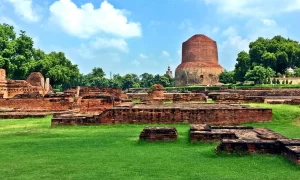
The old name of Ayodhya was Kaushal Desh. Hindus travel here in great numbers.This is the place where the mythological book- Ramayana was also composed. Manu built Ayodhya, which is predominantly a city of temples. Remains of Hindu, Muslim, Jain and Buddhist religions have also been found here. Its antiquity is its supreme quality which attracts a lot of travelers.
Top 10 Places to Visit in Ayodhya
These 10 places to visit in Ayodhya will paint you in the colors of religiosity. If you are interested to know religious history then you can fulfill your wish by coming here:
1. Shri Ram Janmabhoomi Temple (Ram Mandir)

This is the main reason most people come to Ayodhya today. The temple opened in early 2024 and since then, the footfall has crossed lakhs per day during peak season.
What to expect:
You enter through a clean and well-managed pathway. Security is strict, so carry only essentials. The darshan line moves faster than before due to better arrangements. The idol of Ram Lalla is the highlight. The moment you step inside the garbhagriha, the atmosphere changes — quiet, peaceful, and heavy with devotion.
Tips:
- Come early morning or after 8 PM for shorter queues.
- Phones are allowed but photography is not permitted inside the sanctum.
- Elderly-friendly wheelchair zone available.
If you skip this place, your Ayodhya trip is incomplete.
2. Kanak Bhawan
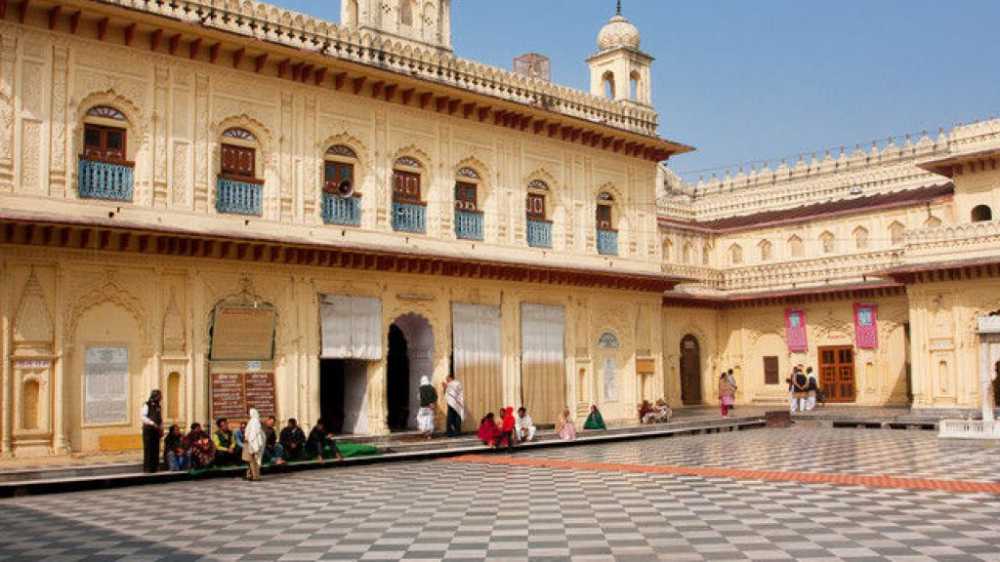
Kanak Bhawan is also known as the “House of Gold” because, as you can probably infer from the name, it is made of gold, or kanak. The idol of Lord Rama and Sita at the temple is quite lovely, and they both have gold crowns on their heads. By simply looking at the idol, you will develop a love for its great artistry. The primary attraction here is a fantastic performance of music and songs that is presented in a portion of this building, which is why there is a great crowd of tourists here.
3. Hanuman Garhi
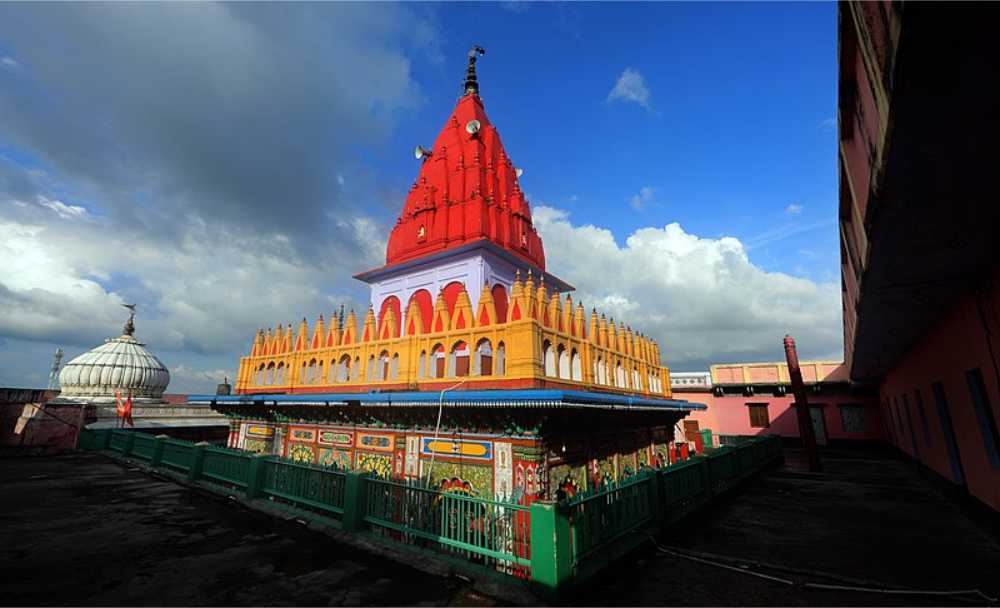
Built by the Nawab of Awadh, this Hanuman temple is situated on the top of the mountain, to reach it you have to climb 76 steps. The temple has a 6 inch idol of Lord Rama and there is also an idol of Hanuman with his mother. This is the right place for Hanuman devotees, where you will be able to see the panoramic view of the surrounding mountains along with religiousness. It is said that people come here to pray for the fulfillment of their wishes and to atone for their sins.
4. Rose Garden
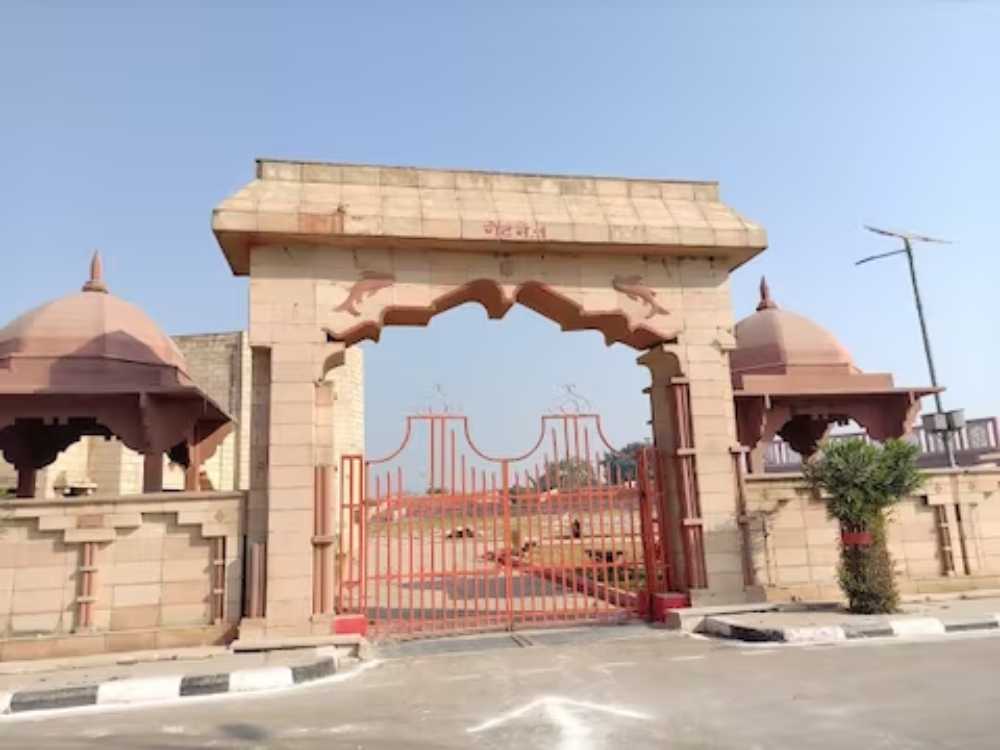
This garden, which adds beauty to the beauty, will introduce you to many types of roses. Some red, some white, some pink, some yellow – and many more roses like these. With its intoxicating fragrance, it will perfume your conscience too. Nawab Shuja-u-Daula’s tomb stands here, and they built the garden around it. Rose Garden planted roses near the water fountain. The drops of fountain water falling on the blossoming roses have created a wonderful sight which one wants to collect as soon as they get a chance.
5. Thakur of Treta
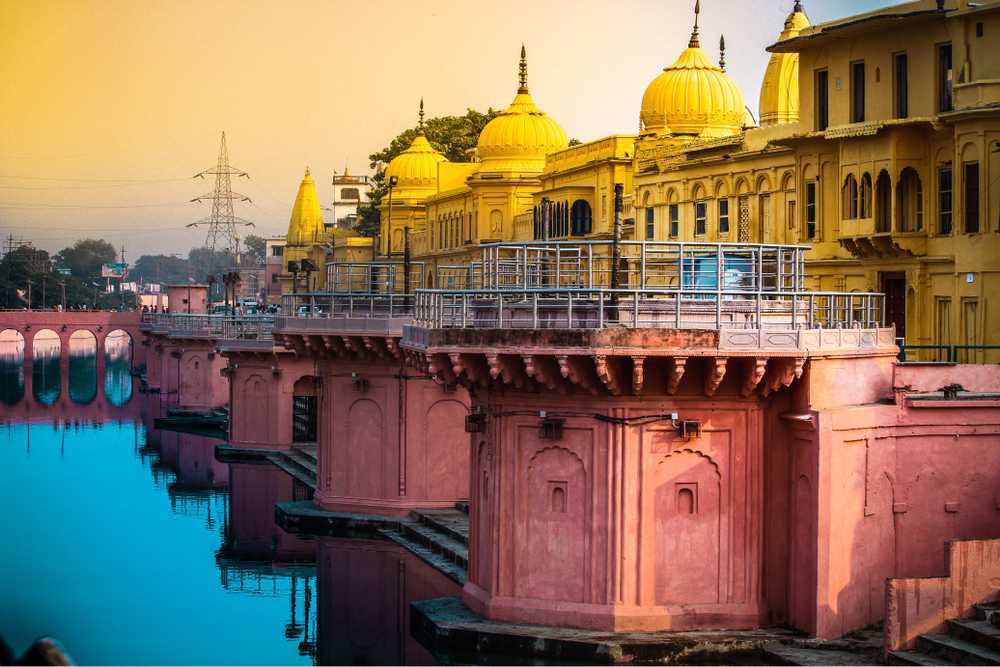
People link Thakur of Treta to the time of Lord Ram. They believe Lord Ram performed a big yagya here, and later they built the temple at the same spot. Inside, you will see idols of Ram, Sita, Lakshman, Bharat, and Shatrughan made from a single black stone. The temple is calm and peaceful, and many travellers stop here to see the old idols and connect with the history of Ayodhya.
6. Tulsi Memorial Building Museum
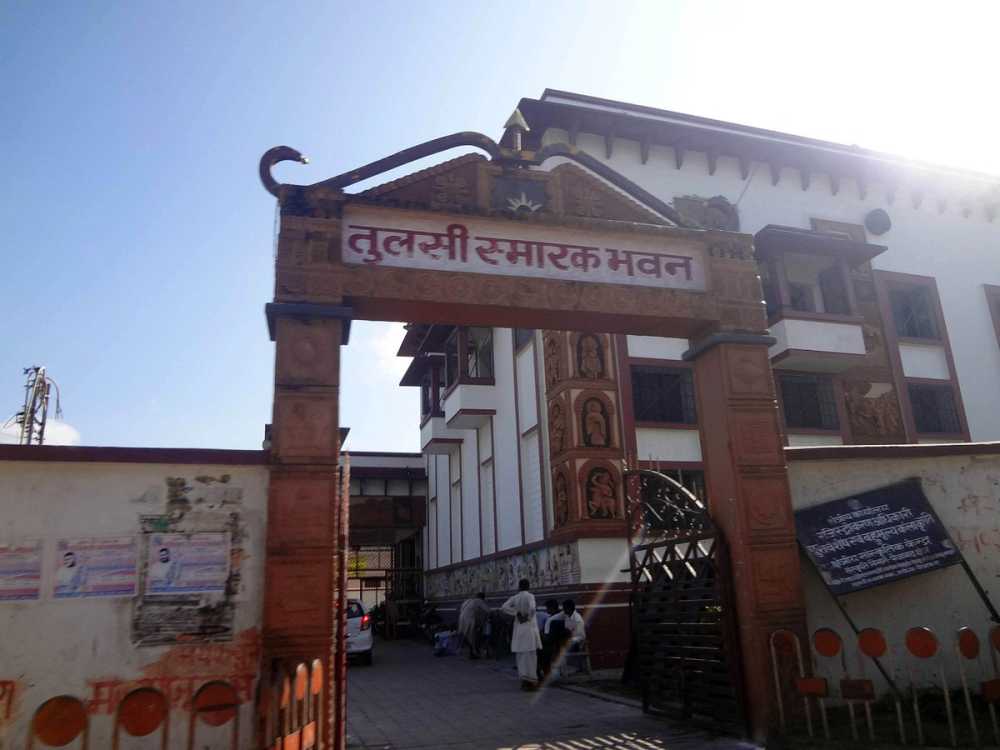
Goswami Tulsi Das inspired the construction of this museum. There is a library here that will introduce you to the history of literature, so anyone interested in that sort of thing should come here. It is also a research center where research is done on the literature, culture and spiritual subjects of Ayodhya.
7. Tomb of Bahu Begum
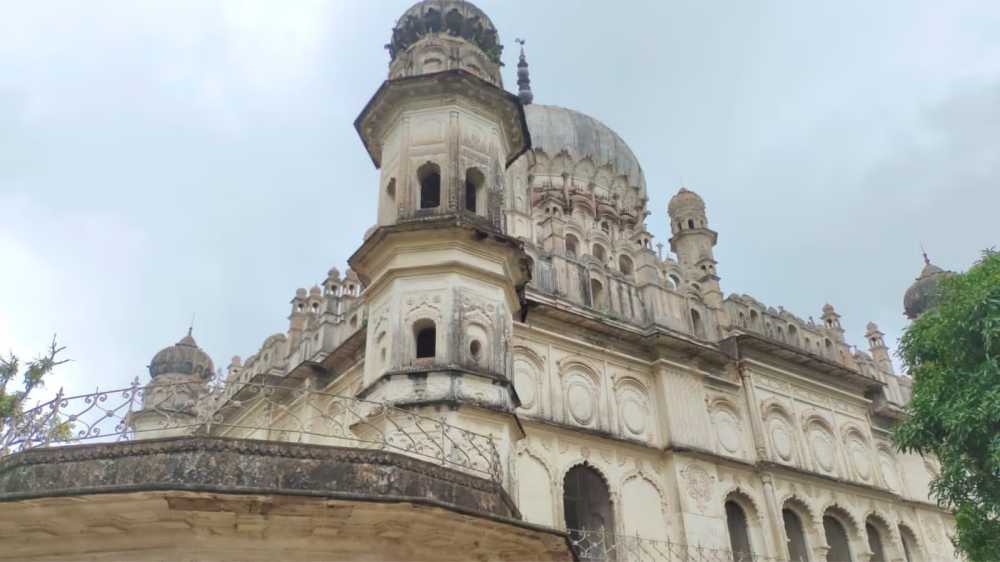
The Tomb of Bahu Begum is one of the tallest and most beautiful buildings in the Faizabad–Ayodhya area. It was built in memory of Unmatuzzaura Banu, the wife of Nawab Shuja-ud-Daula. The structure looks similar to the Taj Mahal, which is why many people call it the “Taj Mahal of the East.” The place is quiet, with clean pathways and wide hallways. It’s a good stop if you like old monuments, peaceful surroundings, and a short break from the crowded temple side of the city.
8. Ramkatha Park
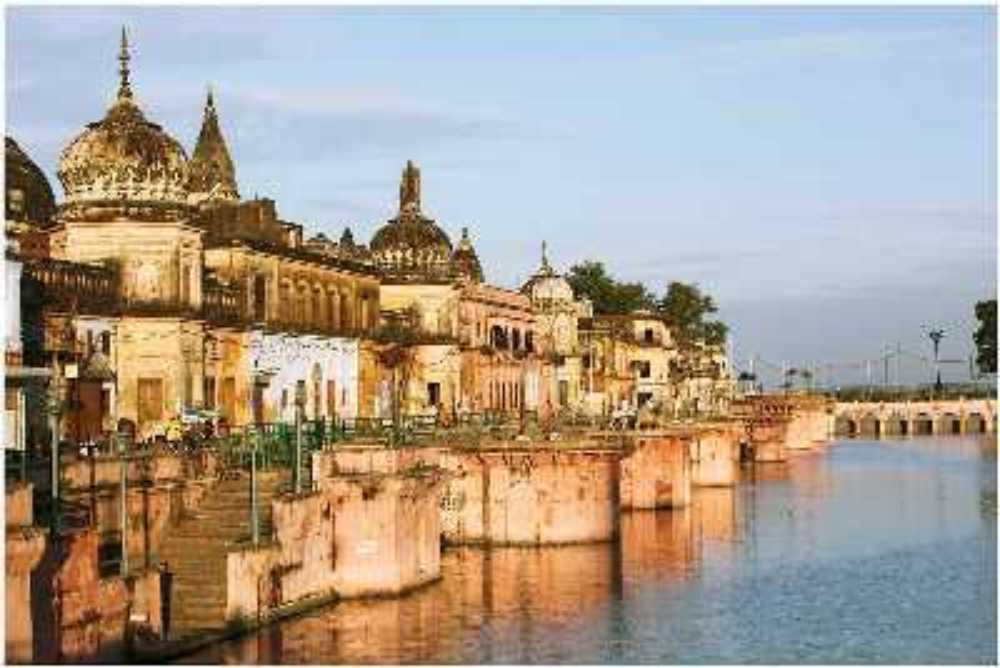
This park, which spans a significant area, offers spiritual, cultural, and religious programmes as well as dance-singing, poetry readings, and short stories. Travelers feel very thrilled to come here Here, both domestic and foreign performers get the opportunity to shine. Grounds for children and gardens for adults are also present here in the evening.
9. Moti Mahal
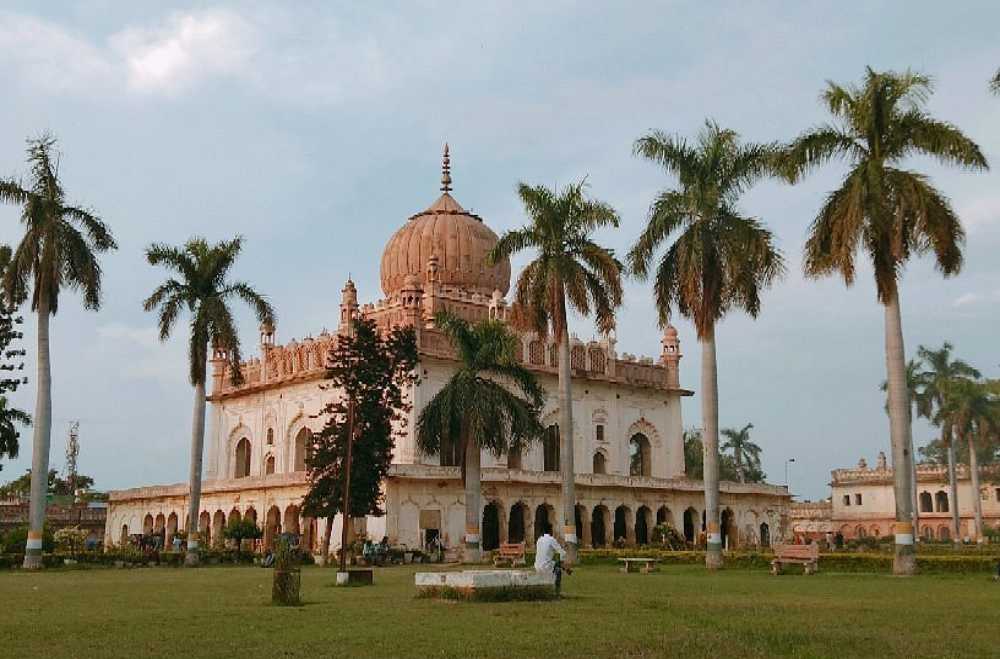
Moti Mahal is an old house of Begum Unmatuzzaura, located a little away from the main Ayodhya town. The place has big arches, carved walls, and open courtyards that show how people lived in that time. It is quiet, clean, and good for a short visit. Many people come here to see the simple beauty of the building and enjoy a calm break from the busy temple areas.
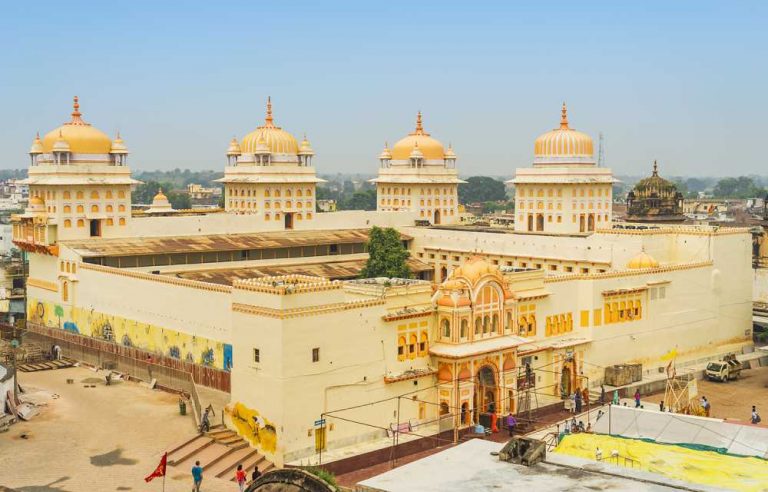
10. Raja Mandir
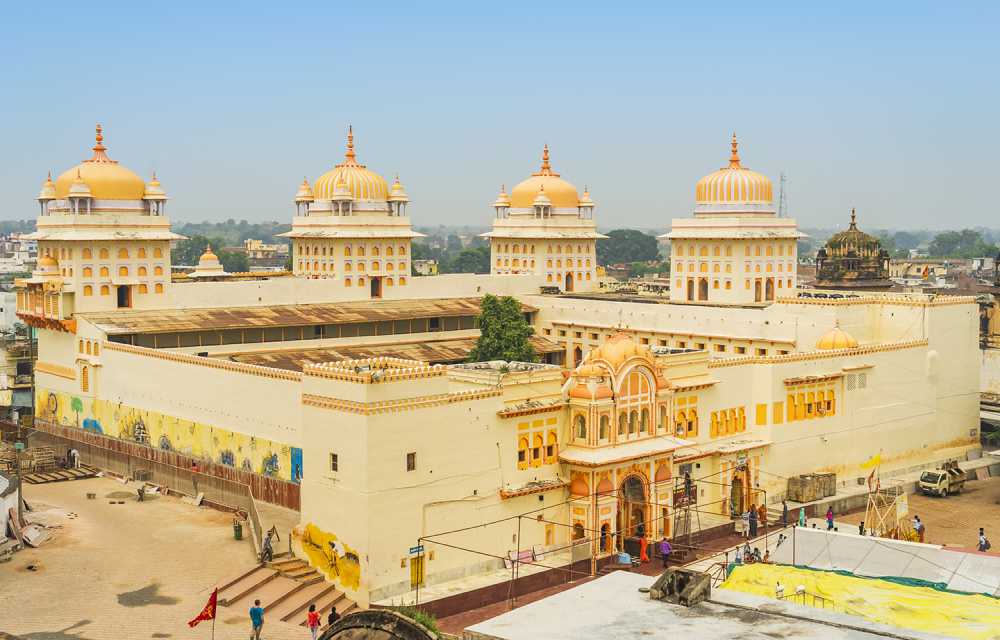
This temple is located beside the Sarayun River. In the temple, beautiful statues of numerous gods and goddesses have been placed. You can witness multiple Gods simultaneously at one place. Here is where you’ll find the best Hindu architecture! You’ll lose yourself in devotion. Due to its location on the river’s banks, you will also have the chance to enjoy a beautiful view.
Helpful Tips for Your Ayodhya Trip
Best time to visit Ayodhya
- November to March is comfortable.
- Avoid extreme summer afternoon sightseeing.
- For darshan comfort, weekdays are better than weekends.
How many days do you need
1 full day is enough for major temples.
2 days are ideal if you want a relaxed trip.
Local transport
- E-rickshaws
- Autos
- Taxi
- Battery carts near Ram Mandir
What to avoid
- Don’t carry big bags to Ram Mandir.
- Avoid peak hours like 12 PM to 5 PM.
- Street parking is limited. Use designated parking areas.
Where to eat
Ayodhya is not a street food city like Varanasi, but you will find decent options:
- Local thali shops
- Sweets shops
- Simple veg meals
- Tea stalls around Hanuman Garhi and Kanak Bhawan
Conclusion
Ayodhya today is far more organised and visitor-friendly than before. Whether you come for darshan or a short trip, the experience stays with you for a long time. The mix of new development and old charm makes the city easy to explore.
If you want a smooth visit without confusion, keep this list handy, plan your timings, and avoid peak hours. Ayodhya is peaceful when you know how to explore it.
FAQs
Waiting time at Ram Mandir depends on the time of day. Early morning (6 AM to 9 AM) takes 20–40 minutes. Afternoon hours can take 1–2 hours. Weekends and holidays may take longer. For the shortest queue, visit early morning or after 8 PM.
The Saryu Aarti starts shortly after sunset. In winter it begins around 6 PM, and in summer around 7 PM. Reach 20–30 minutes early to get a front spot because the area fills up fast during weekends.
Phones are allowed but photography inside the sanctum is not permitted. You can click photos only in the outer complex and designated open areas.
Yes, there is a separate line and support staff for elderly visitors and people with mobility issues. Wheelchairs are available near the entry point. Reaching early morning makes the process easier.
If you start early, you can cover Ram Mandir, Hanuman Garhi, Kanak Bhawan, Saryu Ghat, and Treta Ke Thakur in one day. If you want a relaxed pace with aarti and ghats, plan for two days.
Weekends see heavy footfall, especially after 10 AM. Expect long queues at Ram Mandir and limited parking space. If you must visit on a weekend, reach before sunrise or after 8 PM.