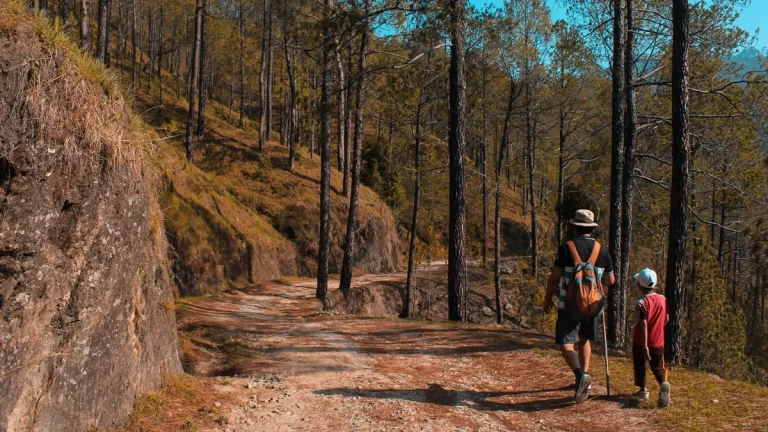
Jim Corbett National Park is most visited between October and March when the temperatures range from 5 to 25 degrees Celsius and all the safari zones are open, and the highest number of people are likely to see tigers.
From March to June, there is also a good chance of wildlife being seen close to water bodies, but that is during the hotter summer months.
Winter Season: October to March
Jim Corbett National Park experiences its most popular visitor season in the winter months due to the mild daytime temperatures and the misty morning conditions. All six safari areas, including Dhikala and Durga Devi, are accessible as of mid-November. This is the peak season for tiger sightings.
Many animals become active during morning safari when they bask in the sun. With less vegetation due to the monsoon rains, it is much easier to see inside the jungle at this time of year.
This season is also ideal for bird watching, as migratory birds arrive from Central Asia and Europe between November and February. Jim Corbett is one of the top wildlife destinations in India for this reason.
Expect higher hotel prices and crowded safari bookings during December and January. Book your jeep safari at least 30 to 45 days in advance for popular zones like Dhikala and Bijrani.
Summer Season: March to June
Summer is another great time for wildlife lovers. Daytime temperatures can reach 40 degrees Celsius or more, but animals congregate near rivers and waterholes to cool off. This makes it easy to spot tigers, elephants, deer and other wildlife, especially during early morning safaris.
All safari zones are open until 15 June. The vegetation becomes dry and sparse, and provides clear lines of sight into the forest. This is considered the best season for tiger photography because animals are more predictable around water sources.
Carry light cotton clothes, sunscreen, a hat and plenty of water. Morning safari slots (6:00 AM to 9:30 AM) are much more comfortable than afternoon rides.
Monsoon Season: July to September
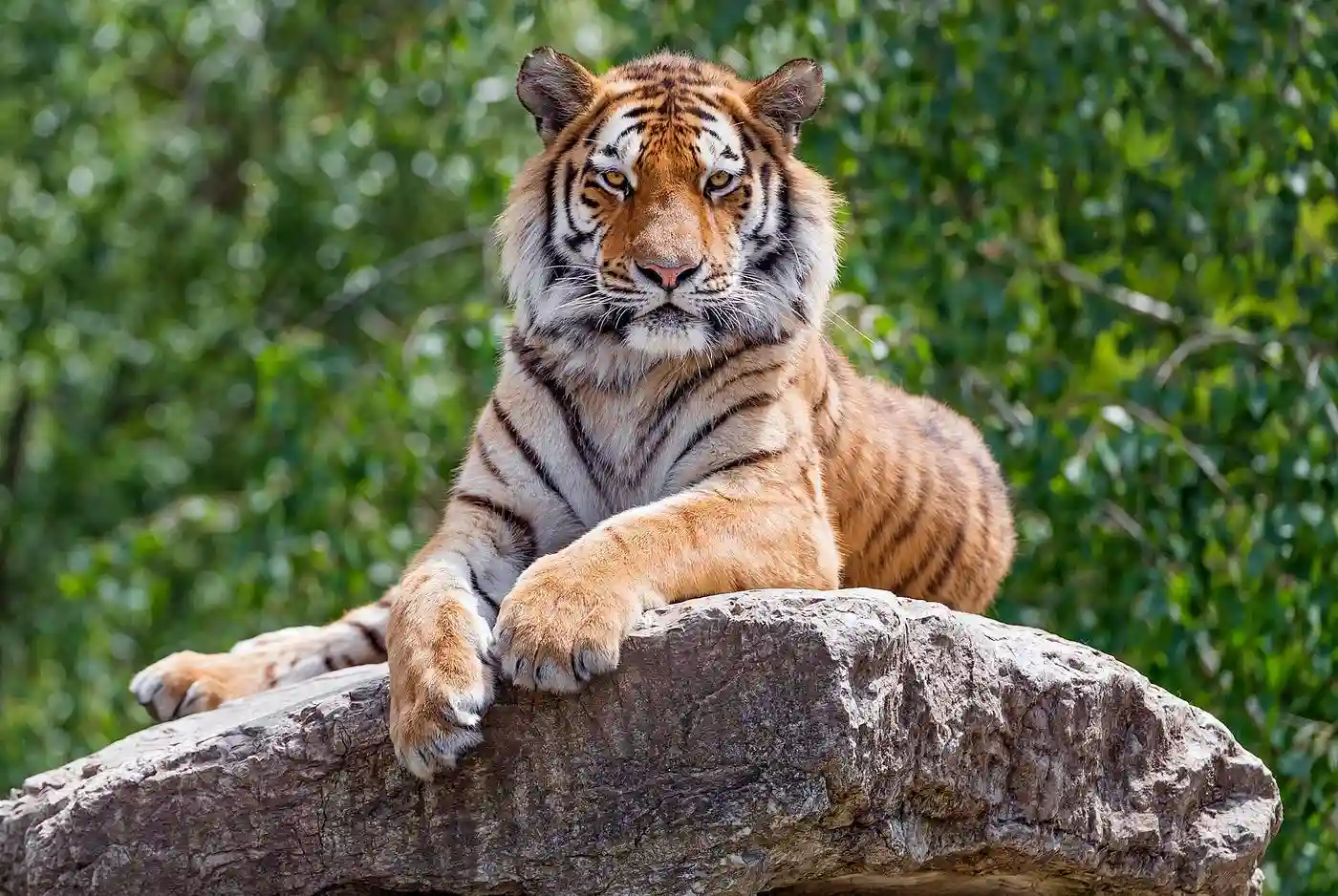
Most of Jim Corbett closes during monsoon due to heavy rainfall, landslides and flooded safari tracks. The Dhikala, Bijrani and Durga Devi zones shut down completely.
Only the Jhirna, Dhela and Garjia zones remain open with limited safari availability.
However, the park turns green and beautiful, making it appealing for nature photographers and birders who prefer solitude. You can also explore places to visit in and around Jim Corbett during this time.
If you visit during monsoon, book safari permits early as only a small number of vehicles are allowed inside each day.
Jim Corbett Safari Zones and Opening Dates
Jim Corbett has six safari zones. Each zone has a different landscape, opening date and wildlife experience. Here is the zone-wise breakdown.
Dhikala Zone
opens around November 15 and closes by June 15. It is the largest and most popular zone, known for grasslands, river views and the highest tiger sighting rate. Night stays inside Dhikala are available at the forest rest house.
Bijrani Zone
opens around October 15 and closes by June 30. It has flat terrain with sal forests and is the second most popular zone for day safaris. Good for first-time visitors.
Jhirna Zone
stays open all year. It is the go-to zone during monsoon and off-season months. Sightings of elephants, deer and wild boar are common here.
Dhela Zone
also stays open year-round. It is a buffer zone and relatively less crowded. Suitable for families and budget travelers.
It is a buffer zone and relatively less crowded. Suitable for families on a road trip from Delhi and budget travelers.
Durga Devi Zone
opens around November 15. It is located on the northeast boundary and is best for bird watching and spotting rare species along the Ramganga River.
Garjia Zone
stays open during monsoon. It is a buffer zone near Garjia Temple and offers a more relaxed safari experience.
Best Time to See Tigers in Jim Corbett
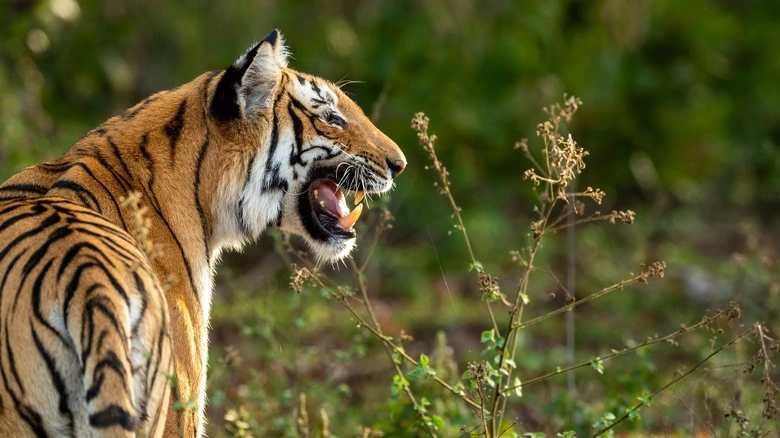
The best months for tiger sightings are November to April. During this window, vegetation is thin, water sources are limited, and tigers move in open areas more frequently. The Dhikala and Bijrani zones have the highest recorded tiger sighting rates.
Early morning safaris between 6:00 AM and 9:00 AM give the best chance of spotting a tiger. Tigers are most active at dawn and dusk. Keep your eyes on river banks, grassland edges, and waterholes.
There are around 250 tigers in Jim Corbett as of the latest count, but sightings are never guaranteed. Your chances improve with a 2 to 3 night Corbett trip from Delhi covering multiple safari rides in different zones.
How to Reach Jim Corbett National Park
From Delhi by Road
Jim Corbett is about 260 kilometers from Delhi. The drive takes roughly 6 hours via NH9 through Moradabad and Kashipur to Ramnagar, the gateway town of Jim Corbett.
You can hire a car from Delhi to Uttarakhand for a comfortable trip.
By Train
Ramnagar railway station is the nearest station, just 2 kilometers from the park entrance. Direct trains run from Delhi, Moradabad and Lucknow.
By Air
Pantnagar Airport is the nearest airport, about 82 kilometers from Ramnagar. From there, you can hire a taxi or rental car to reach the park.
How to Book a Jim Corbett Safari
Safari permits can be obtained online from the official Corbett Tiger Reserve website. For Indian citizens, the fee ranges from ₹500 to ₹5,000, depending on the designated zone and style of vehicle chosen.
Foreign citizens would cost a greater amount than Indian citizens. Visitors can expect to travel in jeep safaris with 4 to 6 passengers; also, in Dhikala, there may be 10 to 16 people travelling in each canter.
Bookings open 45 days in advance for Indian tourists and 90 days in advance for foreign tourists. Popular zones like Dhikala fill up fast during winter, so booking early is important.
FAQs
November to February is the best period. The weather is pleasant, all safari zones are open, and chances of spotting tigers and migratory birds are highest.
Only the Jhirna, Dhela and Garjia zones stay open during the monsoon from July to September. Major zones like Dhikala and Bijrani close due to heavy rainfall and damaged roads.
The morning safari runs from 6:00 AM to 9:30 AM. Afternoon safari runs from 2:30 PM to 6:00 PM. Timings may shift slightly depending on the season.
Two to three days is ideal. This gives you time for at least 3 to 4 safari rides across different zones, increasing your chances of good wildlife sightings. Check out our 3-day Jim Corbett package from Delhi for a ready itinerary.
Yes. Summer is during the time of year when people can have the best opportunity to see tigers, because the animals congregate closer to watering holes, and less foliage makes them easier to identify.
Jim Corbett is about 260 km from Delhi and can be reached by a 6-hour drive via NH9.

You must be logged in to post a comment.