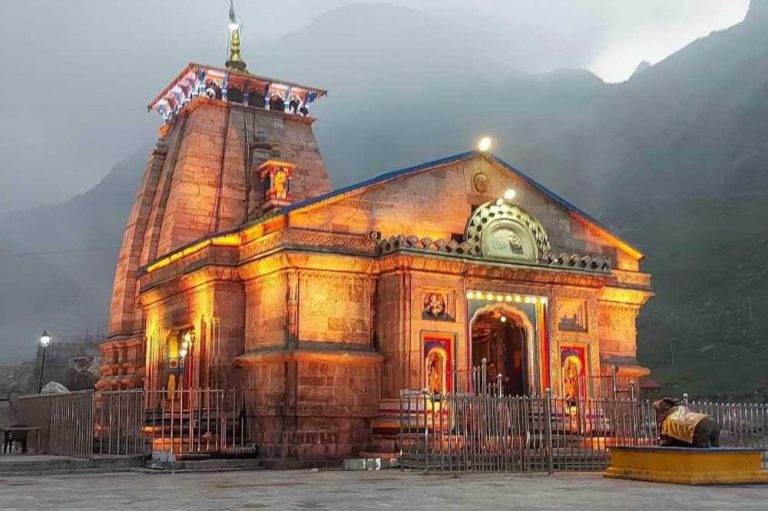
The Kedarnath Yatra 2026 will officially start on 2 May 2026 (Akshaya Tritiya) and is expected to end on 11 November 2026 (Bhai Dooj), as per the traditional Char Dham calendar followed by the Uttarakhand administration. Outside these dates, the Kedarnath Temple remains completely inaccessible due to heavy snowfall, frozen trekking routes, and sub-zero temperatures.
Within this six-month window, weather, safety, and accessibility vary drastically from month to month. Snowfall affects trekking conditions in early May, monsoon rains pose a risk of landslides from July to August, and early snowfall after mid-October can disrupt travel. This makes the choice of month for the Kedarnath Yatra the most important planning decision, even more important than accommodation or transport.
Based on long-term weather patterns, road safety data, and yatra operation records, the best months to visit Kedarnath in 2026 are May, June, September, and early October. These months offer the highest probability of clear weather, open trekking routes, functional medical facilities, and uninterrupted temple darshan—making them suitable for both first-time pilgrims and senior citizens.
Best Time to Visit Kedarnath in 2026
May, June, September, and early October are the best months to visit Kedarnath.
These months offer:
- Stability of Weather Conditions
- Trekking routes from Gaurikund are completely accessible
- An increased availability of medical care and emergency response
- A higher likelihood of being able to perform your darshan without interruption.
Kedarnath Yatra Month-by-Month Breakdown
Kedarnath in May – Best Month for First-Time Pilgrims
The Kedarnath temple will officially reopen after winter in May. The snow begins to melt, and the travel infrastructure becomes fully operational.
- Weather: Cold but stable
- Temperature: 2°C to 15°C
- Trek condition: Snow-cleared but firm
- Crowd level: High
May is ideal for pilgrims who want to experience Kedarnath after its reopening. Helicopter services, medical camps, and accommodation are available at full capacity. However, there may still be patches of snow in early May, so appropriate winter clothing is essential.
Best for: first-time visitors, helicopter tourists, planning group travel. Book your Kedarnath and Badrinath tour from Delhi.
Kedarnath in June – Most Popular Time for Kedarnath Yatra
June is the peak season for Kedarnath Yatra. Weather conditions are comparatively warm, which makes trekking more comfortable.
- Weather: Clear skies, mild cold
- Temperature: 5°C to 18°C
- Trek condition: Dry and stable
- Crowd level: Very high
June offers the highest success rate for completing the journey without delay. Roads, track paths, and emergency services operate smoothly. The only drawback is the overcrowding, especially on weekends.
Best for: families, senior citizens (with medical fitness), easy Darshan planning
Kedarnath in July and August – Monsoon Season (Not Recommended)
Monsoons start in July and go through August and while the Temple is still open, this is when going to Kedarnath is the riskiest:
- Weather: Heavy rainfall
- Temperature: 10°C to 25°C
- Risk: Landslides, road closures, trek suspension
Due to repeated landslides from Sonprayag to Gaurikund and the frequent occurrence of these landslides are triggered by sudden clouds bursting forth, travel is highly unpredictable. Many times, helicopters cannot be used to get to Kedarnath due to limited visibility.
Recommendation: Best time to plan for going to Kedarnath, when, if you can, do not schedule it in the months of July or August.
Kedarnath in September – Best Month for Peaceful Darshan
Kedarnath is a popular time to visit in the month of September after the conclusion of the rainy season.
- Weather: Clear, fresh atmosphere
- Temperature: 3°C to 15°C
- Trek condition: Clean and safe
- Crowd level: Moderate
The post monsoon green experience of the mountains along with beautiful views combined with a lower number of pilgrims make September an excellent time to visit if you are looking for a more tranquil, spiritual experience. In addition, room rates are lower than those for May/June.
Best for: The perfect time to take photographs, have quiet darshans (viewings), or travel on a budget.
Kedarnath in October – Last Chance Before Temple Closure
October is a great time of year to travel, but with winter quickly approaching, the climate can change very quickly.
- Weather: Cold, dry
- Temperature: 0°C to 10°C
- Risk: Early snowfall after mid-October
If you are a pilgrim, then it would be best for you to plan on traveling to the Yatra only in the early part of October. In late October, you are much more likely to encounter snow, which can cause you to stop your Yatra abruptly.
Best for: Short Duration Trips/No Crowds to Experience Darshan (Only Early October)
Kedarnath in Winter (November to April) – Temple Closed
Due to extensive snowfall and extreme cold, for the months of November through April, the Kedarnath Temple remains closed.
- Temperature: -5 °C to -20 °C
- Accessibility: Completely closed
During this time frame, devotees can worship the deity at the Omkareshwar Temple in Ukhimath until the temple returns to its original location.
Best Month for Kedarnath Yatra Based on Traveler Type
- First-time pilgrims: May or June
- Senior citizens: June or early October
- Low-crowd seekers: September
- Budget travelers: September
- Helicopter yatra: May, June, September
Places to Visit in Kedarnath & Best Time
- Kedarnath Temple: May to early November
- Bhairavnath Temple: May to October
- Gandhi Sarovar: June to September
- Vasuki Tal: July to September (weather permitting)
Conclusion
Kedarnath is an ideal destination during the months of May to June and September through early October, when weather systems are typically stable. Trekking routes will generally remain open (accessing other religious sites), as well as yatra activities running as per schedule; therefore, these months have the maximum potential for safe trips, which includes continuous darshan and low human traffic.
Avoid going to Kedarnath during the rainy seasons of July and August due to the increased risk of landslides and road closures. Selecting the proper month with the necessary preparations, pilgrims may have a spiritually beneficial and physically safe experience at Kedarnath Dham.
FAQs
September has the lowest travel risk because monsoon rains end, landslides reduce, trekking routes reopen fully, and weather remains stable for continuous darshan.
Late May to mid-June is better as early May may still have snow patches, colder nights, and slower route clearance near Kedarnath.
Authorities flag July–August as high-risk months due to frequent landslides, cloudbursts, road collapses, helicopter cancellations, and sudden trek closures.
September and early October offer faster darshan because peak-season crowds drop while temple operations continue normally before winter closure.
Early October is the last safe window, as snowfall may begin after mid-October, leading to sudden yatra suspension and road blockage.