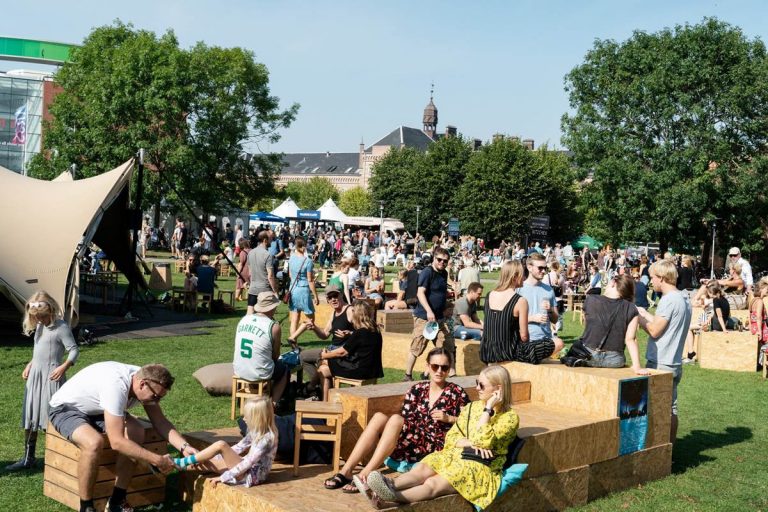
The phrase Copenhagen Musical feast often appears when people look for the annual citywide music celebration in Denmark. The correct name of this event is the Copenhagen Jazz Festival, one of Europe’s longest-running and most influential jazz festivals. The 2026 edition continues this legacy by presenting a large programme across Copenhagen with performances ranging from traditional jazz to modern experimental projects.
The festival began in 1979 and has grown into an event that attracts global attention. It operates on a simple structure: a ten-day schedule, hundreds of concerts, and participation from both established musicians and emerging artists. The festival maintains an open format that encourages musical exploration rather than rigid programming.
Copenhagen Jazz Festival Dates for 2026
The Copenhagen Jazz Festival follows a consistent pattern each year. It starts on the first Friday of July and lasts for ten days.
The 2026 festival is held from 3 July to 12 July 2026. These dates remain fixed as the festival aligns with Copenhagen’s summer cultural calendar. The programming team uses this structure to create a schedule that naturally spans the daytime and evening hours.
Festival Format and Structure
The festival distinguishes itself by functioning as a decentralized event. It does not rely on a main stage or a fenced field. Instead, it partners with venues across the city and lets each place have its own identity. This model allows the program to be diverse and flexible.
Concerts are held in jazz clubs, historic theaters, music halls, cultural institutions, community spaces and outdoor public areas. The format allows artists with different genres and audience sizes to find the right platform. It also has constant activity throughout the city, which is why many people informally call it a “music festival”.
Programming typically includes headline concerts, curated series, special collaborations, commissioned works, jazz for children, contemporary jazz showcases, and tribute performances. The diversity ensures that the event remains relevant to both traditional jazz audiences and listeners following more modern directions. You may also love visiting Walking Street Pattaya.
Music and Artistic Direction
The Copenhagen Jazz Festival’s mission is to represent jazz as a vast and ever-changing art form rather than as one particular way. Classic jazz, Scandinavian modern jazz, avant-garde initiatives, fusion projects, improvisational ventures, big band pieces and cross-genre projects will be part of the programme.
Danish jazz has a very distinct character that’s built on evocative soundscapes, melodies that cut through the noise, and rhythms that barely make a peep . Loads of local musicians do this style justice, and the festival hands them pretty big platforms to show off on. But the international acts really shake things up – bringing all sorts of different folk together and introducing new ways of playing that add a ton of depth to the scene.
Now, for a lot of people the real magic of the festival is all about the improvisation. There are some venues that are just dedicated to this kind of jazz, and then at night, all sorts of musicians get together and just start jamming – it’s basically just a big free-for-all. For anyone who’s really into jazz this is the real highlight of the whole festival. You should also visit popular places in France.
Festival Venues and Geographic Spread
The festival takes over loads of Copenhagen’s cultural infrastructure – it’s all over the city centre and loads of other districts like Nørrebro, Vesterbro, Frederiksberg, Christianshavn and the waterfront. Every place has its own vibe – so you get the chance to experience a bit of every different style and atmosphere on offer.
At smaller venues, such as clubs, there are many avenues for artists to showcase their work, such as intimate concerts of contemporary and avant-garde jazz. The larger venues include orchestras and other musical groups and the internationally recognised main attractions. In the great outdoors (i.e., parks), one can frequently find music events that target the informal listener base. Medium-sized venues, such as community and cultural centres and cafés, offer performers the opportunity to showcase acoustic performances and other smaller formats.
The Festival utilizes existing spaces so there is no need to create temporary structures to facilitate its activities. This natural fit with the daily activities of the city provides an opportunity for seamless integration of festival activities into the normal daily activities of residents, without imposing barriers between residents and festival attendees. Do you know what the best time to visit Switzerland is?
Ticket Structure and Pricing
The festival uses decentralised ticketing. Each venue sets its own prices depending on the performer, capacity, and production requirements. This system allows the festival to include both high-profile concerts and free public performances within the same programme.
Tickets for indoor concerts usually cost between €10 and €60, with premium seats or special productions costing more. A curated series or multi-concert pass can cost between €100 and €250. A significant portion of the outdoor events remain free, keeping the festival accessible.
This model also helps to strike a balance between cultural value and audience reach. Free performances attract large and diverse crowds, while ticketed concerts support professional artists and complex productions. We recommend that you visit Yosemite National Park California after this festival.
Programming Themes and Annual Trends
The festival often wraps itself around a central theme in order to give its artistic side real direction and focus. These themes may well zero in on a particular era of jazz, give a big spotlight to some influential musicians, promote all things Danish jazz, or even try and bring musical genres together. Even if they’re not always the most obvious match. This is all expected to carry on into the 2026 programme, of course, where things will probably build on the traditions that have been established over the years like this:
- They’ll keep up the Nordic jazz showcases, as always
- International headliners will get to take centre stage
- They’ll be marking anniversaries of some of the biggest names in the business
- There’s a new platform out there for emerging talent to get their break
- There’ll still be loads of fun for the kids, with jazz sessions just for them
- Oh, and they’ll be getting the arts to work together in all sorts of new and interesting ways, whether that’s theatre, dance, or visual art
These themes basically let the programmers create a thread of continuity right through a schedule that’s got hundreds of individual events on it.
Cultural Importance of the Festival
Copenhagen Jazz Festival is a cornerstone of Denmark’s cultural identity; it creates opportunities for Danish Jazz musicians through sustaining the profile of jazz musicians within CPH and establishing CPH as a globally recognised centre of music, creativity, and open access to culture.
The festival contributes to education and community engagement through workshops, talks, and youth-focused activities. Several local institutions, music schools, and cultural organisations partner with the festival each year to promote jazz education and artistic development.
Because the festival is spread out overloads of different districts and venues, it also encourages folks from different cultural institutions, private places, the local authorities and artistic collectives to get together and collaborate. And it’s this collaborative approach that’s probably been a major reason for the festival’s enduring success over the years.
Evolution of the Festival
Over the decades, the festival has expanded its programming and venue network. Early editions focused heavily on traditional jazz and performance halls. As the city grew culturally, the festival adapted to include modern jazz, experimental movement, electronic influences, and collaborations that pushed genre boundaries.
The digital platform now supports program navigation, artist information and ticket access. This development helps audiences plan their experience more effectively over a ten-day period.
Despite the expansion in scale, the festival continues to maintain its core identity as an accessible, city-integrated jazz celebration rather than a commercialized event.
FAQs
It is an informal phrase people use when referring to the Copenhagen Jazz Festival, the major annual music event in Denmark.
The festival will take place from 3 July to 12 July 2026.
It is organised by the Copenhagen Jazz Festival Foundation in collaboration with local venues and cultural partners.
The programme covers traditional jazz, modern jazz, Scandinavian jazz, fusion, big-band music, experimental projects, and improvisation-driven performances.
Each concert has its own ticket price. Many events are free. Indoor concerts usually cost between €10 and €60, while special series may cost more.
This decentralised model helps integrate the festival into the city and supports a wider range of artistic expressions.
Yes. Emerging musicians and young performers receive dedicated platforms where they can present original work.




You must be logged in to post a comment.