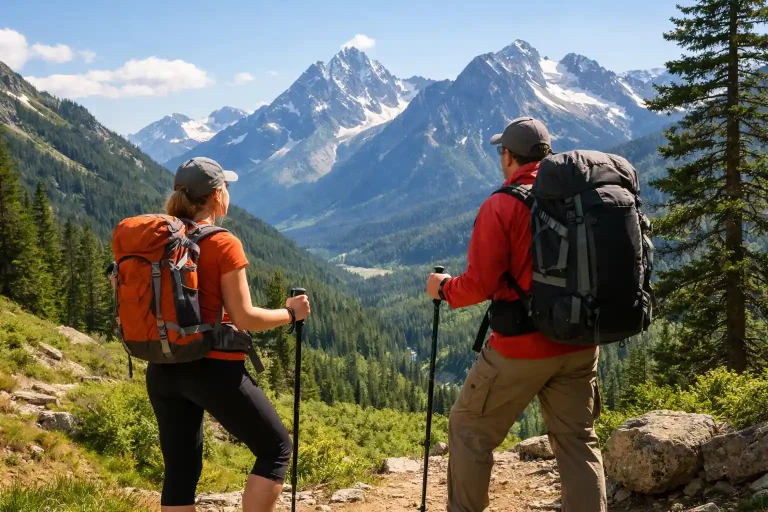
Hiking is a way to improve your health and spend time in nature. It strengthens the body, lifts mood, and gives a sense of accomplishment. Adventure travelers can enjoy beautiful landscapes while gaining physical and mental benefits.
This guide explains how hiking improves health and how to make every hike enjoyable.
What are the benefits of hiking
Hiking improves heart health, strengthens muscles and bones, burns calories, reduces stress, improves sleep, and allows people to spend time in nature.
Even short hikes can improve physical fitness and mental wellbeing.
If you enjoy exploring nature through outdoor activities, you can also discover more adventure activities in India.
Physical Benefits of Hiking
Cardiovascular Health
Hiking increases your heart rate, thus helping to strengthen your heart and improving your blood flow. Regularly hiking helps to lower blood pressure and decrease your risk of heart disease over time.
Hiking on an incline or on an uneven surface offers a better workout than walking on a flat surface.
Even moderate hiking several times weekly can help your heart. For adventure tourism, hiking while carrying a small backpack also adds to the cardio benefits of hiking with an increased amount of resistance on your body.
Muscle and Bone Strength
When we’re walking on varying terrain, the muscles engaged are different from the muscles typically used when performing day to day activities (legs, buttocks, and core).
Hiking is also a form of weight bearing exercise, which can increase bone density and help prevent loss of bone when we get older.
For hikers, adding light resistance, such as carrying a backpack with water and supplies, increases strength gains. Trails with different terrains also help improve joint stability and flexibility.
Calorie Burn and Weight Management
Trail difficulty, elevation gain, and load carried will all influence the number of calories you burn while hiking.
The number of calories burned during a 2–3 hour hike will be between 400 and 900 calories, depending on the intensity of the hike.
Hiking uphill and on a steep trail will burn more calories than walking on a flat surface.
Hiking is a very active sport that can be done in conjunction with many other types of outdoor exercise. Therefore, hiking can help you maintain your fitness level while traveling and burn energy at the same time!
Many travelers combine hiking with other outdoor experiences such as adventure sports in Manali including trekking, rafting, and paragliding.
Balance and Flexibility
Hiking on uneven surfaces enhances balance and stability. Walking over rocks, roots, and hills will build stabilizing muscles within the legs and core.
Hiking will also help create greater joint flexibility in the knees and ankles; this benefit carries over into everyday life and helps you move more easily through your daily activities and avoid falling.
For adventure travelers, improving your balance helps you develop your flexibility for other outdoor activities like climbing, kayaking, or camping.
Mental Health and Cognitive Benefits
Stress Reduction
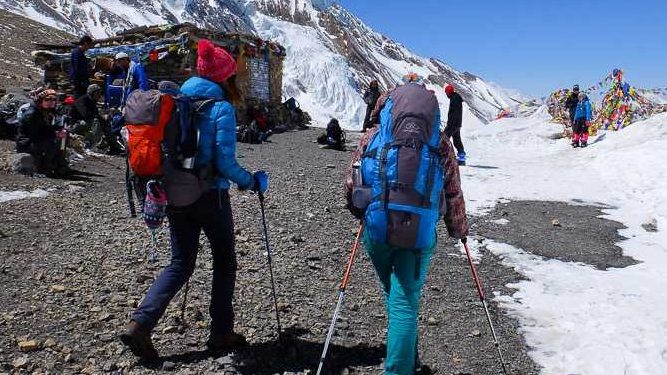
Hiking allows you to escape from the workplace, usage of computer screens, and urbanization. Spending time outside lowers levels of stress hormones like cortisol.
Hiking also gives you the opportunity to have quiet time alone to reflect on life, which decreases anxiety.
Even small amounts of time hiking outdoors may help lower your stress level and boost your mood, research indicates.
When taking a break from your normal lifestyle, hiking on the trail provides not only mental rest but also an opportunity to step away from daily life.
Mood Improvement
The release of endorphins from physical activity while hiking helps to improve mood and enhance feelings of wellbeing. Being outdoors in nature can be calming and help to relieve tension.
Hiking with others (e.g., group trails, guided hikes) provides additional support and connection, which further enhances mental health.
Even hiking alone will improve your mood through self-reflection and being in your natural environment.
Improved Focus and Creativity
Nature is known to help increase your focus, solve problems, and be creative. Many hikers report that they come up with new ideas or solutions while out in nature.
Adventure travelers should use these benefits to help plan trips, document their adventures, and make decisions.
Not having access to digital distractions allows the brain to take a break and recharge itself so it can function for a long time.
Better Sleep
Hiking during the day can help to regulate our body’s natural operating schedule. Working out will physically tire out our body regularly, so it becomes easier for us to go to bed at night and sleep longer.
People who travel for adventure, like hiking, often claim that they get better rest while away.
So spending time outside combined with moderate exercise assists with the amount of time we sleep as well as the quality of sleep we receive.
Why Being Outdoors Matters
Nature as Therapy
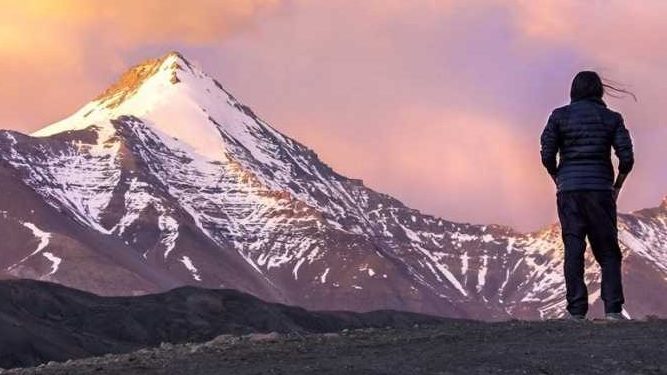
Spending time in nature reduces stress levels and improves overall mental health. Being around trees, water, and wildlife engages your five senses and will help you become aware of what’s going on outside of yourself and lead you to a greater sense of mindfulness.
Even just walking quietly along a pathway can be very beneficial for healing.
Adventure travelers benefit from this because spending time outdoors is combined with exploration and observation, providing both relaxation and stimulation.
Vitamin D and Immune Support
When hiking in nature, you’re also exposed to sunlight which allows your body to create the vitamin D needed for healthy bones and to keep your immune system functioning properly, helping overall wellness.
Being outdoors helps stimulate outdoor activity (which helps to support your immune system). If you’re an adventure traveler and are on a trail for multiple days, you’ll benefit both physically and from a higher intake of nutrients from your food.
Scenic and Environmental Engagement
Unlike indoor exercise, hiking provides a constant change in scenery. Experiencing landscapes, rivers, forests, or mountains adds an emotional reward to physical activity.
Adventure travel provides a way to reap the mental and physical benefits of traveling to a new place.
It provides motivation to continue to participate in hiking and adventure travel regularly, and interaction with new locations and climates will enhance participation.
Hill stations like Kasauli are known for peaceful walking trails, including the scenic route near Sunset Point in Kasauli.
How to Enjoy Hiking Outdoors
Choose the Right Trail
Choosing a trail based on your skills and experience is essential. For example, if you are a beginner, you would want to find a short, flat trail or one that has less elevation.
When choosing a trail, consider its incline, your physical ability, and the weather.
Adventure travelers can research trails in advance and choose routes that offer both fitness benefits and scenic appeal.
Travelers looking for open landscapes and forest trails often visit Sanasar in Jammu and Kashmir, which is known for its natural hiking routes.
Use Proper Gear
Be sure to have footgear that provides support and wear clothing appropriate for weather conditions. Carry enough water, snacks, a first aid kit, and navigation tools.
To avoid putting stress on your body, balance the weight of your backpack. Having the proper gear will help you maintain safety and comfort.
Adventure travelers should also carry small items like cameras, binoculars, or maps to enhance the outdoor experience.
Focus on the Experience
Pay attention to the environment around you. Observe sounds, sights, and smells. Mindful hiking improves mental benefits and allows you to fully enjoy the experience.
Adventure travelers can use these observations to plan photography, sketching, or nature journaling.
Mix Solo and Group Hikes
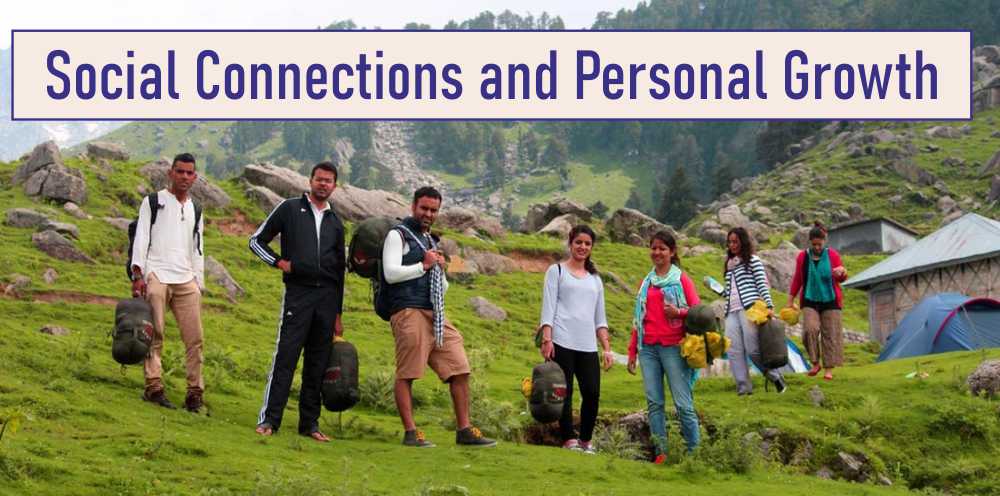
Solo hikes provide time for reflection and personal challenge. Group hikes offer social interaction and support. Combining both types helps maintain motivation and provides multiple mental health benefits.
Adventure travelers can plan solo days and group days depending on the trip itinerary.
Stay Safe and Prepared
Prior to going outside, check the weather before you leave. Always follow trail rules, stay off marked trails, and let someone know what you’re doing. Bring adequate food and water.
If you are hiking for an extended period of time, be sure to have either a map, compass or GPS with you. To properly prepare allows you and other hikers not to have to worry about these items while enjoying the trail.
Travelers who want to combine hiking with sightseeing can explore curated North India tour packages that include mountain destinations and outdoor activities.
Conclusion
Physical fitness, mental health, and wellness are improved by hiking. In addition to physical improvements, adventurous travelers also experience new terrain and an opportunity to appreciate nature.
Trails offer challenge as well as enjoyment and make for both a great exercise and a rewarding one!
With Japji Travel you can find hiking destinations for people of all skill levels. Hiking outdoors gives you the chance to enjoy a variety of trails.
You can also check the latest travel offers in India to plan your next outdoor trip.
How Hiking Improves Overall Health
Regular hiking improves cardiovascular endurance, strengthens major muscle groups, and supports mental wellbeing. Because hiking combines exercise with nature exposure, many people find it easier to maintain compared to indoor workouts.
FAQ’s
Hiking improves heart health, strengthens muscles and bones, burns calories, reduces stress, and improves sleep while allowing people to spend time in nature.
Hiking usually burns more calories than walking because trails include slopes and uneven terrain that engage more muscles.
Hiking for 30 to 60 minutes several times per week improves cardiovascular health, mood, and overall fitness.
Yes. Hiking lowers stress hormones, improves mood, and helps clear the mind by combining exercise with time in nature.
Yes. Beginners should start with short trails, carry water, wear supportive shoes, and gradually increase distance and difficulty.