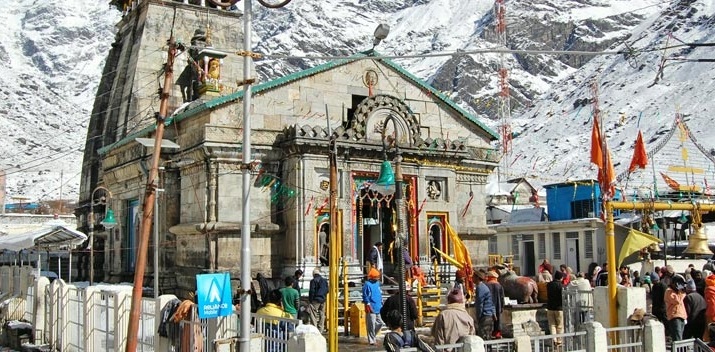
The Char Dham Yatra includes the holy temples of Yamunotri, Gangotri, Kedarnath, and Badrinath. It is a test of physical endurance and mental resolve. This tour takes you to an altitude of over 11,000 feet in the Garhwal Himalayas.
Quick Summary: To successfully complete a Char Dham Yatra, pilgrims must complete biometric registration, acclimatize for at least 48 hours to prevent AMS, and have a BSNL SIM card to have cellular service.
Train physically for 8 weeks before your trip, focusing on your cardio and legs in preparation for the 16 km trek to Kedarnath.
Spiritual Significance of the Char Dham Shrines in Hinduism
- Yamunotri: A holy place for the Goddess Yamuna. Bathing in these waters is thought to protect against early death and cleanse the soul from sin.
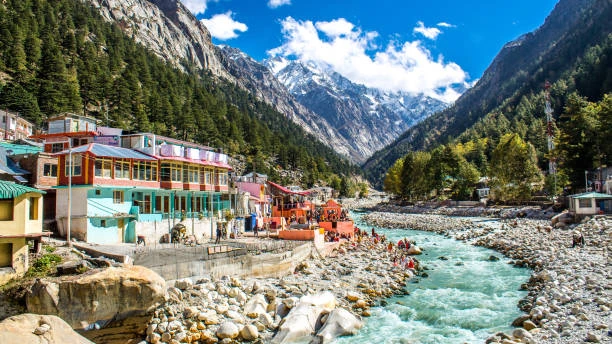
- Gangotri: The birthplace of the Ganges River and a symbol of purity. Pilgrims come here to find redemption where the Goddess Ganga first came to earth to cleanse mankind.
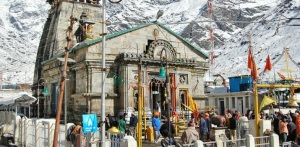
- Kedarnath: One of the 12 Jyotirlinga shrines dedicated to Lord Shiva, representing the divine ability to forgive and offering the power to transcend life’s challenges and the weight of karma.
- Badrinath: The holy residence of Lord Vishnu; a culmination on the path to Moksha (the state of being released from the cycle of birth and death).
If you prefer a structured plan, explore our detailed 12 Days Chardham Yatra with a day-wise route and travel support.
Top 12 Traveling Tips for Chardham Yatra
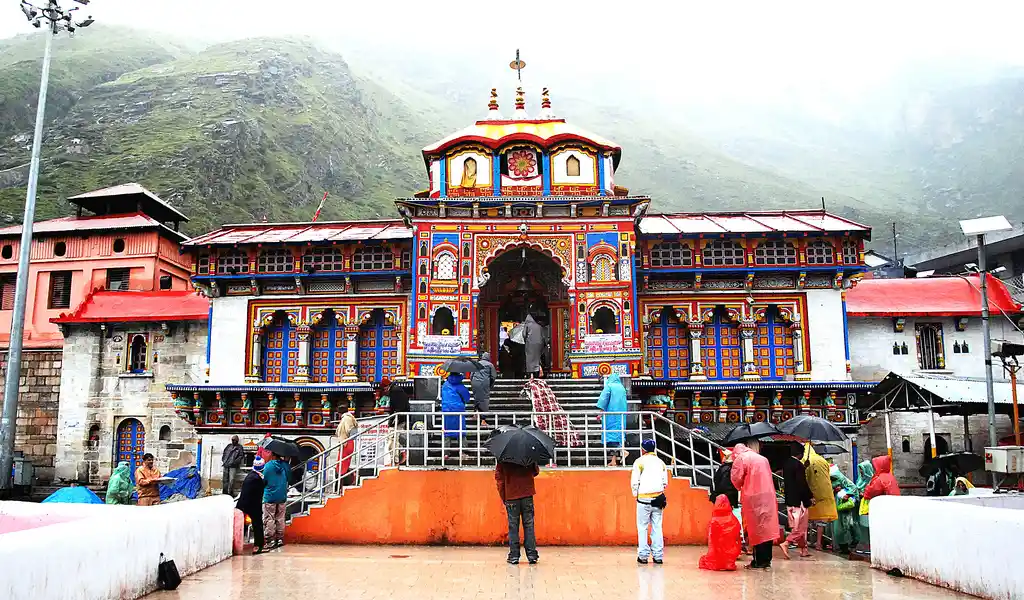
Follow these 12 practical tips for a seamless and safe journey.
1. Prioritize Early Mandatory Registration
All pilgrims must register biometrically. The Uttarakhand government implemented this system in 2013.
Biometric data allows administration to monitor the locations of all pilgrims along the route and provide assistance if needed.
Actionable Advice:
- Register online through the Tourist Care Uttarakhand portal.
- Do this 30 to 40 days before the temples open.
- Carry several printed copies of your registration slip.
- The digital version may not work due to a poor mobile network.
2. Respect the Acclimatization Process
Don’t hurry your trip schedule. A quick climb from Haridwar to Kedarnath could lead to getting AMS (Acute Mountain Sickness). You will need time for your body to adjust to high altitudes.
Actionable Advice:
- Stay the night before you travel to Kedarnath either at Barkot and Uttarkashi. This will allow you a chance to adjust your body to the high elevation.
- If at any point during your travel to Kedarnath you feel dizzy or sick, stop immediately. Go down to a lower height; this will make you feel better.
3. Begin Physical Conditioning Early
The trek to Kedarnath is very steep and covers 16 to 18 km of difficult terrain. Because of the low levels of oxygen along the way, it will be difficult for your lungs and heart. You also need to be in good shape if you ride a pony.
Actionable Advice:
- Start training 8 to 10 weeks before your trip. Walk 4 to 5 km daily.
- Practice deep breathing exercises like Pranayama, which is a form of breath control in yoga that helps improve focus and relaxation.
- Do squats to strengthen your legs for the climb.
4. Pack for Changing Weather
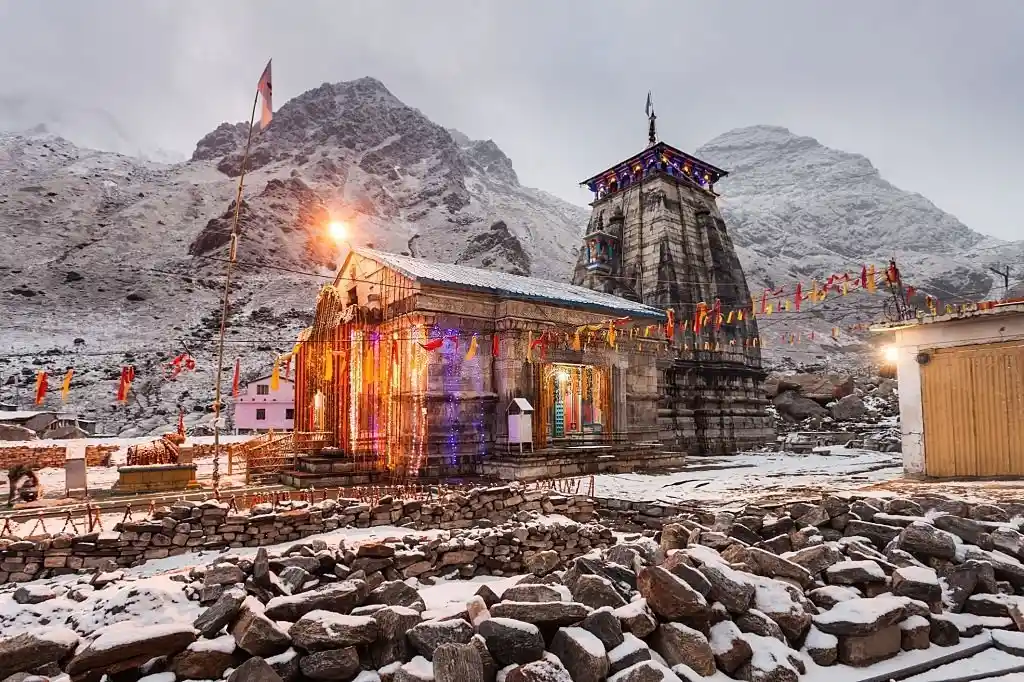
The weather conditions in the Himalayas are unpredictable; for example, one might get a sunny morning followed by rain and wind, and once the sun sets, the temperature drops rapidly.
Actionable Advice:
- Use the layering principle.
- Wear high-quality thermals and a fleece layer.
- Add a windproof and waterproof outer shell.
- This lets you adjust as the temperature changes throughout the day.
5. Secure Helicopter Tickets via Official Channels
Be careful of fake websites when booking helicopters to Kedarnath. Tickets sell out very fast. Official windows open only at specific times.
Actionable Advice:
- Only use the IRCTC HeliYatra portal for bookings.
- Do not trust agents who promise seats for extra money.
- If you cannot get a ticket, plan to trek or use a pony.
6. Opt for a Specialized Mountain Vehicle
Mountain roads are narrow, winding, and often have falling rocks. For drivers who are used to driving in flat areas, these conditions may be difficult to navigate.
Actionable Advice:
- Get a hill-certified vehicle such as a Tempo Traveller or Innova
- Be sure that your driver has experience in the Garhwal region.
- There may be some places that are too narrow for large buses to get to.
Travelers starting from Delhi can check out our Delhi Char Dham Yatra Car Rental Service for reliable vehicles and experienced drivers.
7. Carry Sufficient Cash
At high altitudes, digital payment services are very likely to not work. In fact, issues with electricity and the network are commonplace in Yamunotri and Kedarnath. Card machines also may be inoperative.
Actionable Advice:
- Carry enough cash for 3 to 4 days of expenses.
- Use this for food, ponies, and offerings.
- If you are from another country, bring small cash like 100 or 200 dollars. If you are from India, bring about 8000 to 10000 rupees.
- Finding change for large bills is very difficult in remote villages.
8. Manage Your Health Portfolio
Medical facilities in the mountains are very basic. Government camps are often several kilometers apart. You must take responsibility for your basic health needs.
Actionable Advice:
- Pack a personal medical kit.
- Include medicine for altitude sickness, pain, and stomach issues.
- Carry ORS packets for energy.
- If you have heart issues, get a fitness certificate from a doctor.
9. Connectivity: Rely on BSNL or Jio
Standard 5G signals often disappear after Rishikesh. Network towers are rare in deep valleys. Most private networks have no coverage in the higher reaches.
Actionable Advice:
- BSNL is the most reliable network in the hills.
- Jio is a good second option.
- Carry a secondary BSNL SIM card.
- Tell your family you may be offline for a day or two.
10. Stay Hydrated with Safe Water
Dehydration increases the risk of fatigue and altitude sickness. However, mountain streams can contain harmful bacteria. Drinking raw water can lead to serious infections.
Actionable Advice:
- Drink 3 to 4 liters of water every day.
- Use only bottled or boiled water.
- Carry chlorine tablets for emergencies.
- A portable water filter straw is also a useful backup.
11. Time Your Visit to Avoid Monsoons
Landslides are common in July and August. Heavy rain makes trekking paths slippery and dangerous. Roads often stay blocked for days during the monsoon.
Actionable Advice:
- Travel in May or June for pleasant weather.
- Late September and October offer clear mountain views.
- If you travel near the monsoon, add extra days to your schedule for delays.
For updated guidelines and official processes, read our complete Char Dham Yatra Registration 2026 guide before departure.
12. Practice Responsible Pilgrimage
The climate of the Himalayas is delicate. Millions of pilgrims come every year. Such activity puts enormous pressure on local resources and nature.
Actionable Advice:
- Use a reusable water bottle.
- Have a small bag for your own trash.
- Respect local customs and dress modestly.
- Always ask before taking photos of people or inside temples.
Other Chardham Yatra Travel Things
Chardham Yatra and Its importance in Hindu religion
The Chardham Yatra is one of the most sacred pilgrimages in Hinduism. It includes four Himalayan temples: Yamunotri Temple, Gangotri…
Chardham Yatra by Helicopter: Complete Guide for 2026
Chardham Yatra is one of the most important pilgrimages in India, covering Yamunotri, Gangotri, Kedarnath, and Badrinath. Many pilgrims prefer…
Final Thoughts
The journey of the Char Dham Yatra is important. Safety and preparation should be your top priorities for a fruitful spiritual experience. To create a safe experience for every pilgrim, Japji Travel encourages everyone to plan their trip thoroughly as well as honor the mountains.
Use the combined energy of both the Himalayas and the divine to guide you throughout your travels.
FAQs
Complete your biometric registration and monitor oxygen levels frequently. Avoid driving on mountain roads after sunset. Carry a personal medical kit and check daily weather alerts from the local administration to avoid landslide-prone areas.
A minimum of 10 to 12 days is sufficient for the full road circuit. This allows time for rest, rituals, and proper acclimatization. Rushing the journey increases the risk of altitude sickness and exhaustion.
To prepare for the Kedarnath trek, begin training at least 8 weeks in advance by walking/jogging 5 km a day and doing stair climbs. Breathing techniques using pranayama will also help increase lung capacity, especially when trekking 16 km uphill with limited oxygen.
A budget of ₹5,000 should be adequate for a two-day stay in a dormitory and food while in Sonprayag but will not cover travel by pony, helicopter, or private hotels. We suggest budgeting higher if you would like to have a more comfortable and safer experience.
May, June, September, and October are the best months. These periods offer stable weather and clear roads. Avoid July and August due to heavy monsoons and high landslide risks.



You must be logged in to post a comment.