The Pride of Rajasthan: Top 11 Forts to Visit
The magnificent and popular forts of Rajasthan showcase Rajasthan’s heritage and history. Forts, mahals, palaces, and temples show Rajput rule. Rajasthan’s towering forts are beautiful and represent military strategies of the time. Rajput, Gurjar, Jat, and other monarchs have enriched these magnificent constructions.
The 11 prominent Rajasthan Forts described here have stunning architecture and rich, diversified cultural background. Chittoor, Kumbhalgarh, Ranthambore, Gagron, Amer, and Jaisalmer Forts are among Rajasthan’s 11 UNESCO World Heritage Sites. Rajasthan is lovely and colorful, therefore here are its top 11 forts.
View Top Rajasthan Tours in India
1. Nahargarh Fort
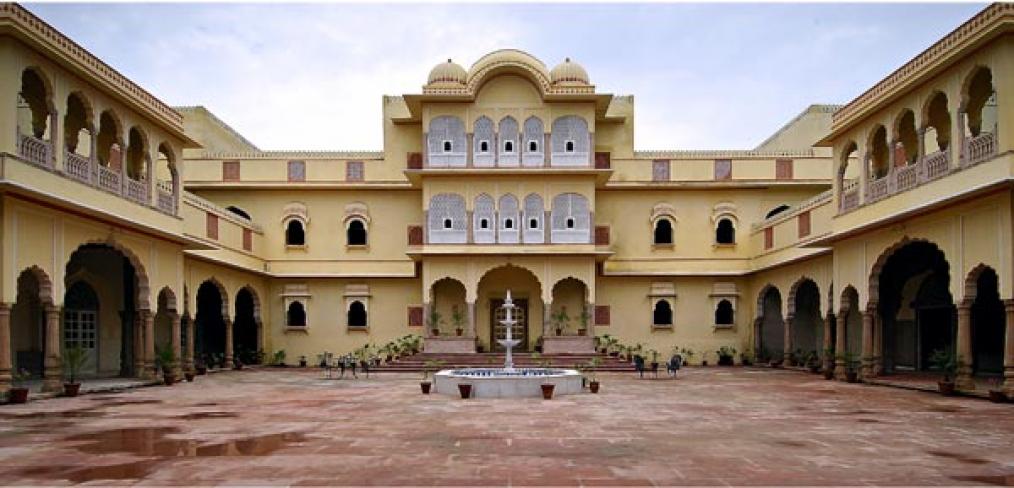
Amer, before Jaipur, was the capital of the Rajput kingdom. The Nahargarh Fort was an important constituent of the defence line of the region, along with two other forts of the region including Amer, Fort, and Jaigarh Fort. Nahargarh means “Adobe of Tigers”. The fort is located on the outskirts of the Aravali Hills and overlooks Jaipur (the state capital of Rajasthan). Maharaja Sawai Jai Singh erected the magnificent fort in 1734. This fort has been used in many films, and the Jaipur Wax Museum is a popular attraction. This museum has around 35 statues made of wax and silicon of famous personalities from the fields of Bollywood, sports, freedom struggle and the rule of Jaipur and Rajasthan (including Sawai Ram Singh Madho Singhji and Maharaja Jai Singh among others). The walls of the fort are extensive and connected with the Jaigad Fort as well.
2. Chittorgarh Fort
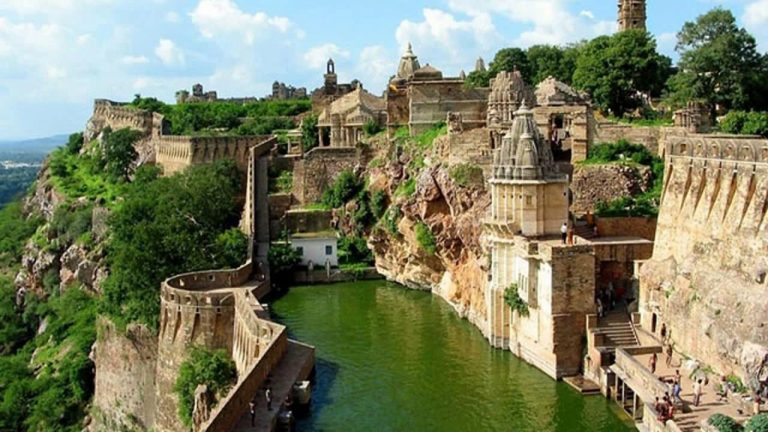
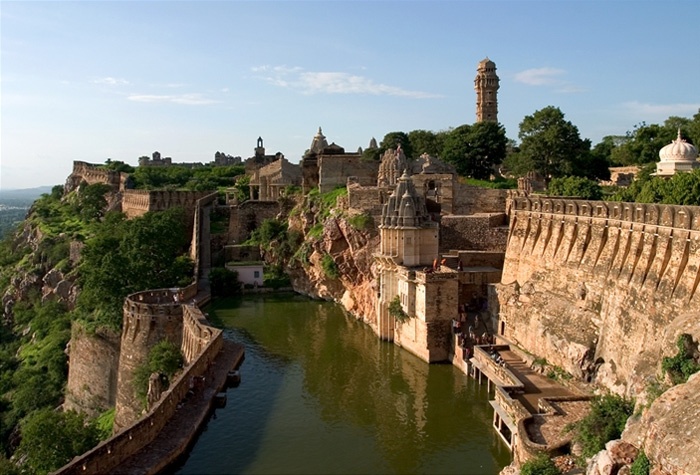
The majestic Chittorgarh Fort is located across 700 acres of land and is positioned above a 180-meter-high hill, making it one of Rajasthan’s top forts to visit. According to tradition, Bheem (a Pandava) erected the fort. Chittorgarh fort is one of India’s largest forts and was previously the Mewar region’s capital. The river Berach drains the adjacent plains. The Chittorgarh Fort, unlike the Nahargarh Fort, has seen several conflicts, including sieges by Alauddin Khilji and Akbar. Rana Kumbha erected the Fort with seven gates and the Tower of Victory between 1458 and 1468. The Chittorgarh fort is embellished with palaces, temples, and monuments such as the Rani Padmini Palace and Kirti Stambh.
3. Jaigarh Fort
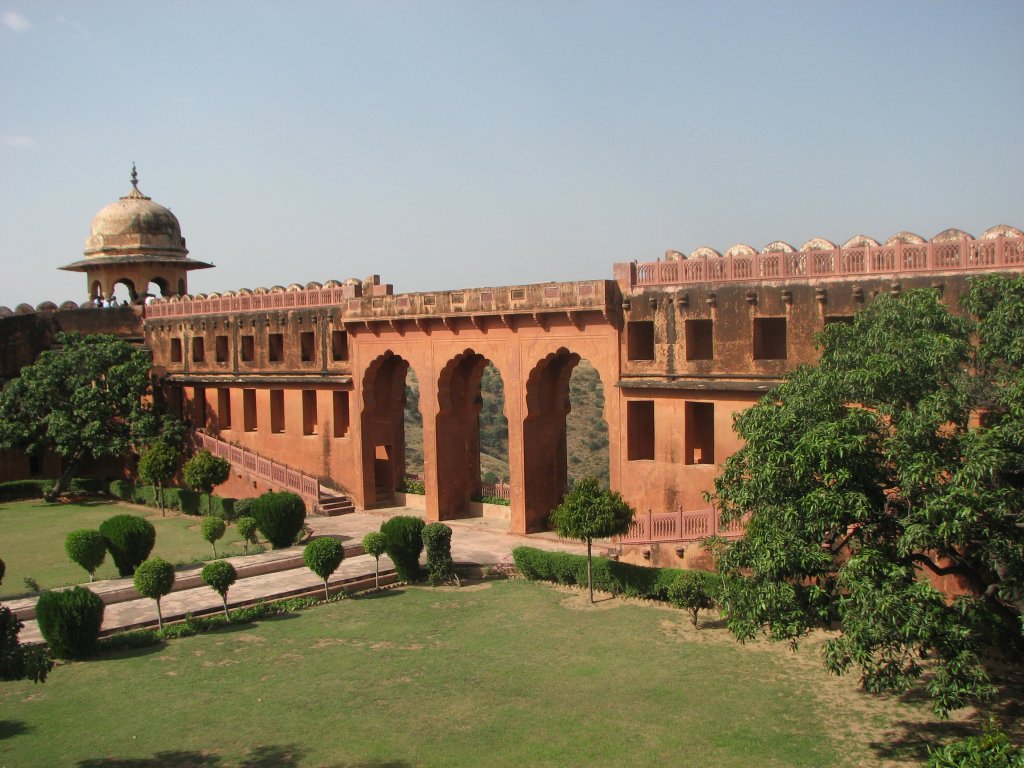
To secure it, Jaigarh Fort is located 15 kilometres from Jaipur on the “Cheel Ka Teela” in the Aravali Range, near Amer Fort. Jai Singh II constructed the fort in 1726. Also called as the Victory Fort, it has a length of around 3 km. The “Jaiban” cannon, believed to be the world’s largest at its installation time. You can find residential palaces, gardens, temples, monuments, a museum and armoury at the beautiful fort.
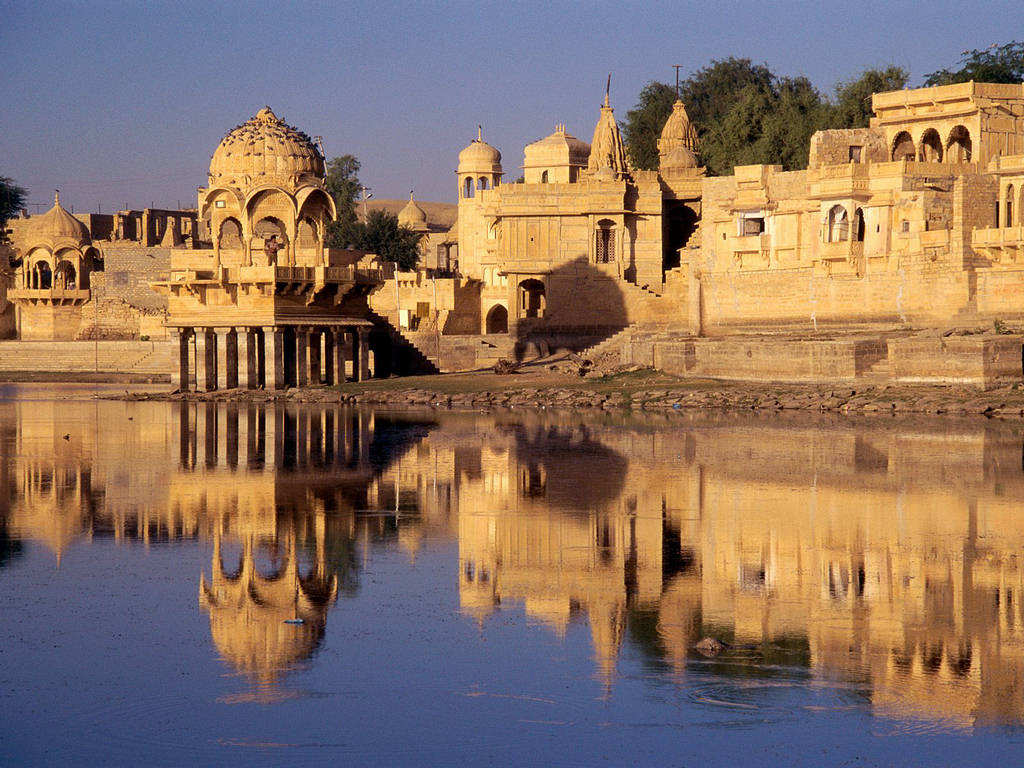
4. Jaisalmer Fort
Jaisalmer Fort is a unique living fort globally, housing a significant city population within its confines. The fort, built around 1156 AD by Rajput king Jaiswal, was once the city’s main residence. The important Asian Trade Route named as “Silk Route” passed through the region. As the sun sets, the forts’ walls turn a honey-gold color, creating a desert-like camouflage. It is located within the Thar Desert and on the Trikuta Hills. The length and breadth of the fort are 460 meters and 230 meters respectively. The palace boasts 99 bastions and four impressive entrances, including the Raj Mahal Palace, Jain temples, Laxminath Temple, and several merchant Havelis. The fort houses the Jaisalmer Government Museum, showcasing artifacts from the 7th and 9th centuries, including statues, jewellery, and crockeries.
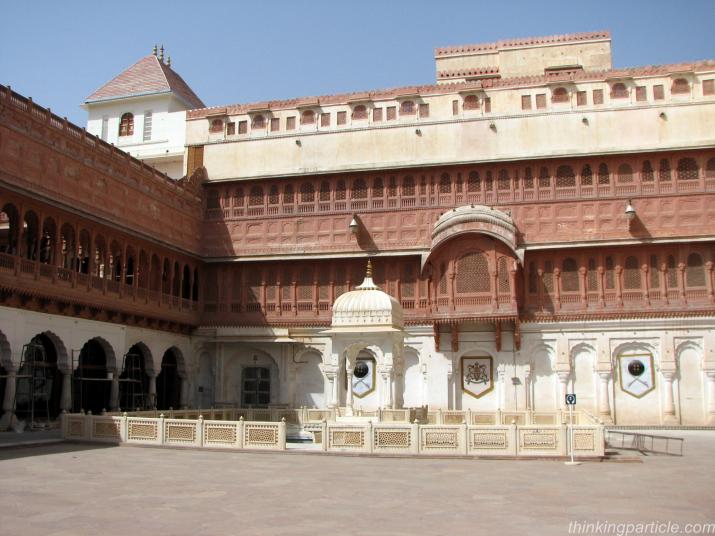
5. Junagarh Fort
The Junagarh Fort, originally called Chintamani Fort, located in Bikaner, Rajasthan, one of the three triangle cities of the desert. This big fort was not erected on a hilltop like other Rajasthan forts. Raja Rai Singh constructed it between 1571 and 1611 AD. Except for one day when Babur’s son Kamran Mirza conquered the fort, records show that it was never captured. The majestic antique structure spans 5.28 hectares of land and features a variety of architectural styles. The site is a museum with stunning balconies, courtyards, and other structures crafted from marble and red sandstone. The seven gates of the fort house a number of Hindu and Jain temples as well.
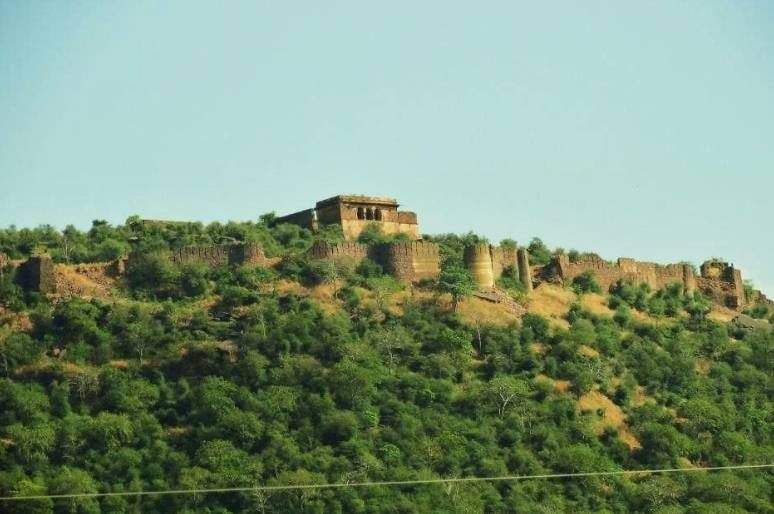
6. Khandar Fort
Majestically situated on the top of a hill, theancient Fort of Khandar is located in the Sawai Madhopur District of Rajasthan. The fort also makes one of the boundaries of the Ranthambore National Park. Legend has that the fort has never been taken over by an enemy. Within the fort are located temple and ponds both numbering 7. As the fort is quite close to the National Park, you can find a number of wild animals including tigers and leopard within it. The Rani Mahal and Hawa Mahal boast of the splendour of the ester times.
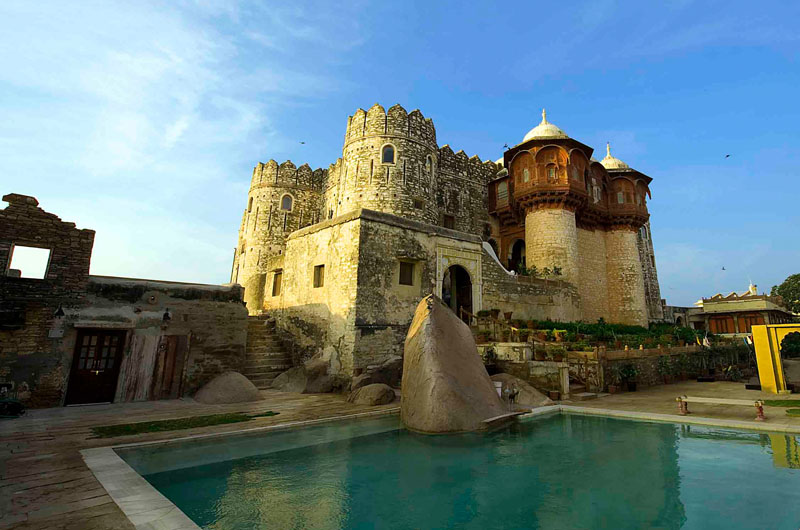
7. Khejarla Fort
Maharaja Gopal Das Ji, who was awarded vast expanses of land and villages by the Maharaja of Jodhpur for his military success over the Mughals, built this magnificent, compact, and graceful edifice around 1611. The “Khejdi Tree” is said to have protected the fort and its residents from Mughal cannons. The stunning building combines Mughal and Rajput architecture. Food is served in the foyer, Zenana Mahal, Mardana Mahal, and main courtyard. A trip through the fort sections reveals 17 generations of history in chronological order. After substantial renovation, the ancient fort is now a five-star hotel offering royal sightseeing and lodging.
8. Kumbhalgarh Fort
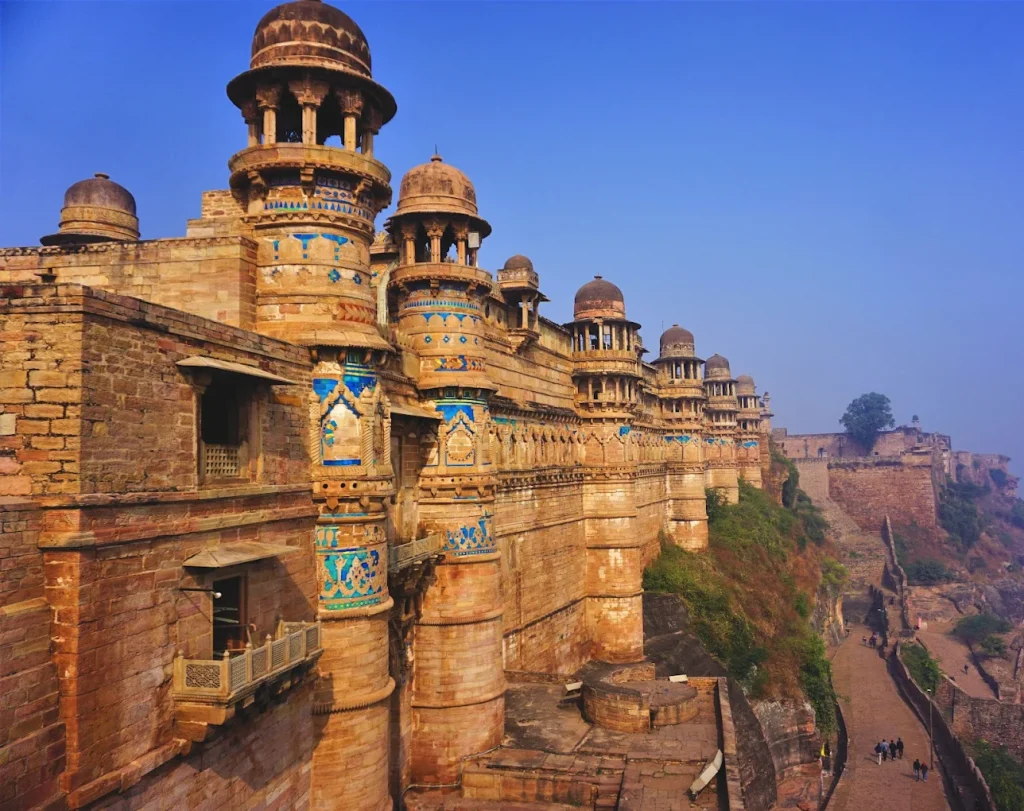
The Kumbhalgarh Fort, in Udaipur, is one of Rajasthan’s most famous forts and towers over the Aravali Hills. In the 15th century, Rana Kumbha erected it. After Chittorgarh, it’s Mewar’s most important fort. Fort walls reach 22 miles, making it the world’s largest fortified structure. The sturdy fort is located on a mountaintop 1100 meters above sea level, with walls ranging from 15 to 25 feet thick.
The fort has about 360 temples and seven walled entrances. The Lakola Tank is the most stunning water feature. The Kumbha Palace, Badal Mahal, and other intricately carved buildings of Kumbhalgarh Fort, Maharana Pratap’s birthplace, are gorgeous and important. Rajasthan’s government hosts a three-day fort festival with thrilling light and sound events every year.
9. Khimsar Fort
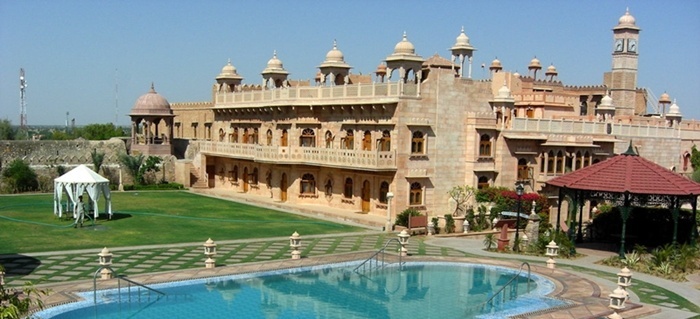
The beautiful Fort is located close to the Khinvsar village, of Nagaur district in the state of Rajasthan. Jodhpur’s Mehrangarh Fort was built in the 16th century by Rao Jodha Ji, the 8th son of Jodhpur’s ruler. The edifice is now a Heritage Hotel with ancient relics like Fateh Mahal and beautiful temples inside. Khimsar Fort awarded “National Grand Heritage Award for Excellence” by the Government of India, highest honor for cultural property.
10. Mehrangarh Fort
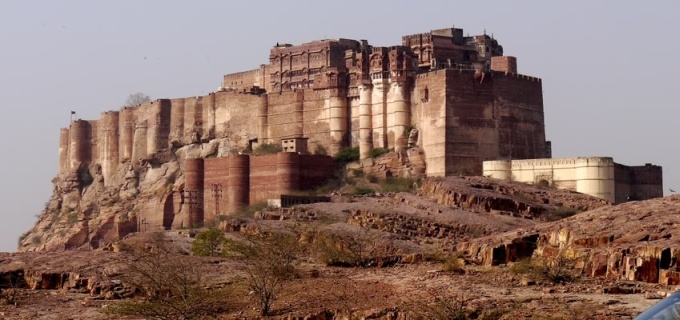
The Mehrangarh Fort (also known as Mehran fort) was erected in 1460 by the renowned King Rao Jodha. It is one of India’s largest and most spectacular forts. The fort is located on a mountaintop 410 feet above the city. The fort has 7 gates, some of which symbolise important events of history. The Fatehpol gate, for example, was built by Maharaja Ajit Singhji to commemorate his victory over the Mughals, but the Jaipole was created by Maharaja Mansingh. The impressive Museum within the Fort is one of the largest in Rajasthan and also has the Royal palanquins (palakis) along with the costumes, metals, armouries and precious painting depicting the heritage of Rajput Rathods. The fort is 5 square kilometres in size and contains the “Treasures of Mehrangarh” or Daulat Khana, as well as the remains of Emperor Akbar.
11. Ranthambore Fort
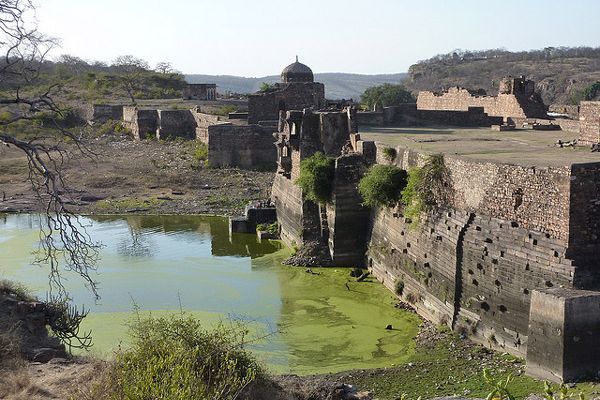
The 13th-century fort is located close to the city of Sawai Madhopur and inside the Ranthambore National Park region. Some historians believe the fort was built around 944 CE, while others believe it was built around 1110 CE. The Ranthambore Fort has seen a number of patterns conquest and attacks. It is located across around 4 square kilometres of area and has the Badal Mahal, Hammirs court, and the 32 pillar Chattri. Other monuments and remnants are in the form of step wells and barracks, while you can also find the temples and mosques when inside it. The temple of the Lord Ganesha is one of the greatest attractions here.
Our Guided Tours to Explore the Top 11 Forts in Rajasthan’s Royal Legacy will take you on an interesting trip through time. Enjoy the beauty of Rajasthan’s architectural treasures while knowledgeable guides tell you about the myriad stories and customs found within these great forts.
Popular Rajasthan Forts Tour High Points:
- Expert Guides: Our experienced guides love telling stories and can tell you a lot about the historical importance, architectural brilliance, and culture details of each fort.
- Immersion in Culture: Guided tours in Rajasthan showcase the forts’ architecture, artefacts, and stories, highlighting their connection to the royal family.
- Customized Itineraries: Customized itineraries make sure you see all of the different forts, each with its own charm. Our tours cover both well-known and less-known gems, from the richness of Mehrangarh to the romance of Chittorgarh.
- Interactive Narratives: Interactive stories bring forts to life, sharing tales of bravery, love, and dynasties that shaped the area’s past.
- Photography Opportunities: Our guides will help you find the best spots for breathtaking photos of beautiful views, buildings, and landscapes.
- Experiences in the Area: Enhance your trip with local artists, cultural performances, and authentic cuisine for a truly immersive experience.
- Seamless Logistics: Enjoy a stress-free trip with well-planned transportation that lets you focus on exploring and learning about the culture.
- Guided tours in Rajasthan explore 11 forts, including Kumbhalgarh and Amber Fort, offering a comprehensive experience of the region. These tours allow you to experience the timeless grandeur of this noble state.
- The ancient Forts of Rajasthan depict the tale of courage, bravery, and chivalry of Hindus and Rajput Kings. Each one of them is a masterpiece, which has a number of treasures to fascinate you.



Resortsnear Jaipur November 8, 2019 at 9:51 am
Awesome blog thanks for sharing